Can I subdivide my land in NSW?

In most cases yes, but it comes down to your block rather than to you. Whether you can subdivide land in NSW depends on your council's minimum lot size, your zoning, the width and shape of the block, and whether water, sewer, power and road access can reach both new lots. Almost every subdivision needs consent, usually a development application through the NSW Planning Portal. Mojo Homes does not carry out subdivisions, but once your lot is registered we can help you work out what to build on it.

In short:

  • Your council's Local Environmental Plan sets the minimum lot size. There is no statewide figure.

  • Most subdivisions need a development application. A narrower complying development pathway covers some low rise housing.

  • Costs are made of council fees, a surveyor, contributions, utility charges and title registration. No government source publishes an all in figure.


What decides whether you can subdivide your land in NSW?

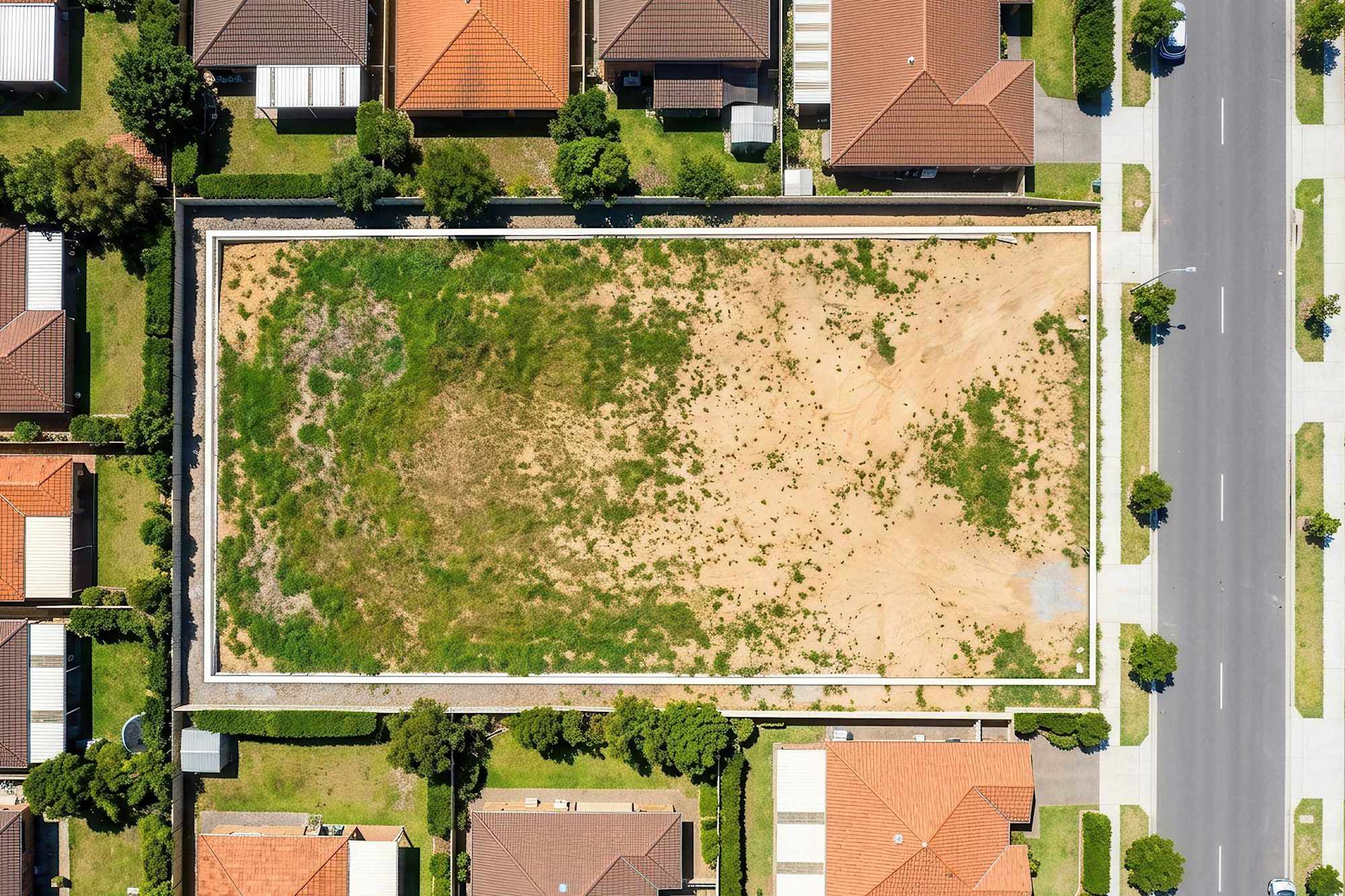
Two things do most of the work: your zoning and the minimum lot size that applies to it. Minimum lot size is set by your council in its Local Environmental Plan, so the answer changes from one council to the next. Hornsby Shire lists roughly 500 to 600 square metres in its R2 low density residential zone, while City of Newcastle lists 400 or 450 square metres across much of its area.

Meeting the lot size is the start, not the finish. Councils also look at whether water, sewer, electricity and legal road access can reach both lots, whether easements, covenants or existing structures sit across the proposed boundary, and whether bushfire, flood, slope or heritage controls apply. Shape counts too: Hornsby notes an access handle does not count towards the lot area.

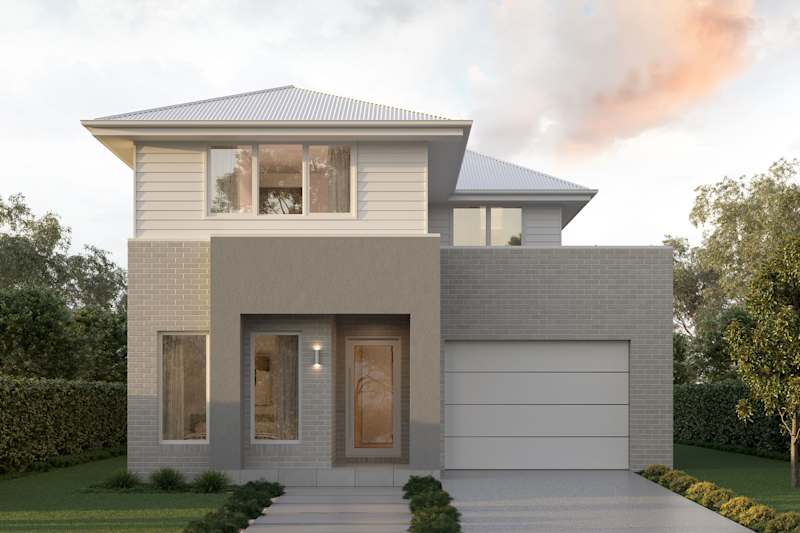
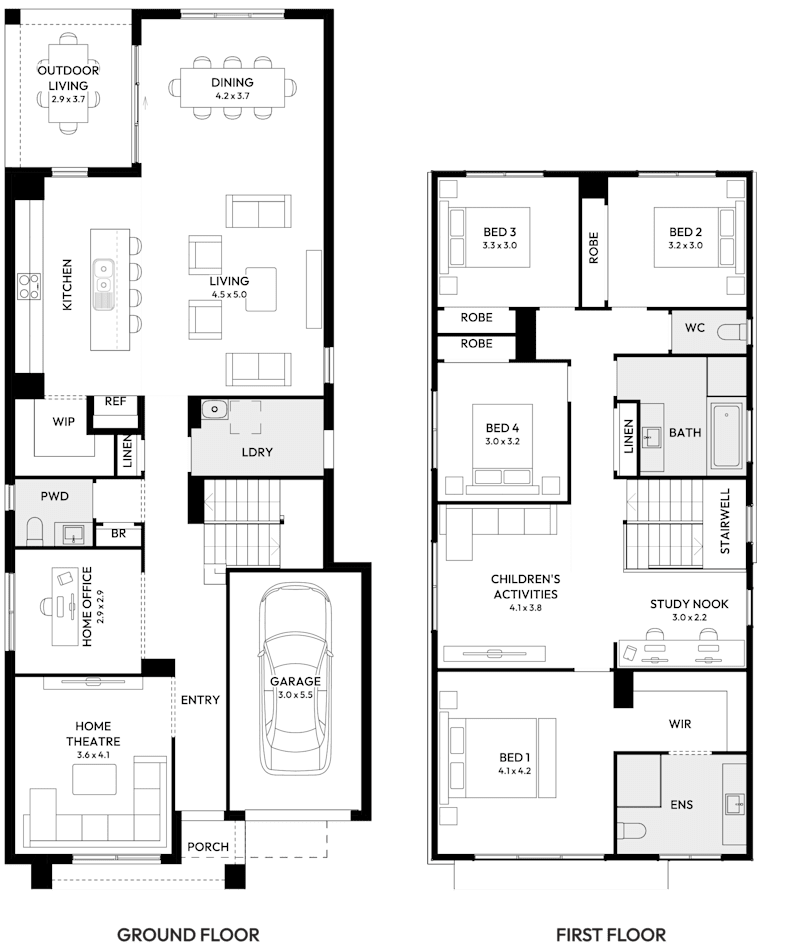
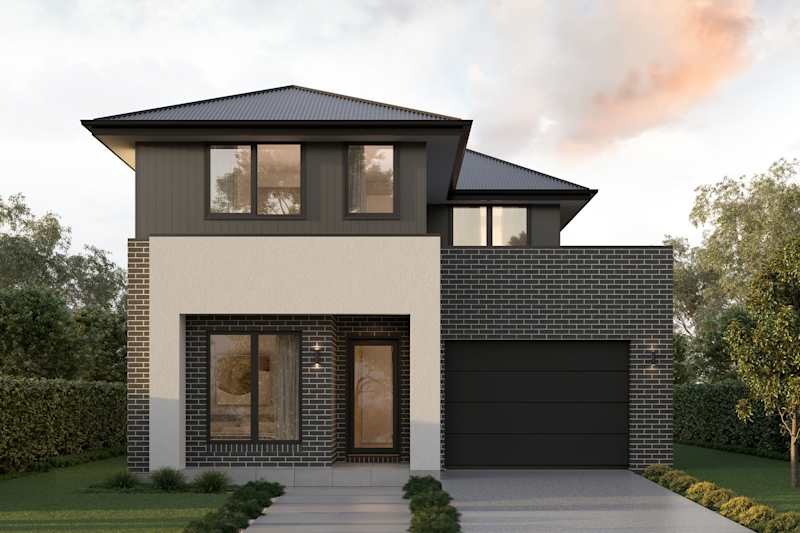
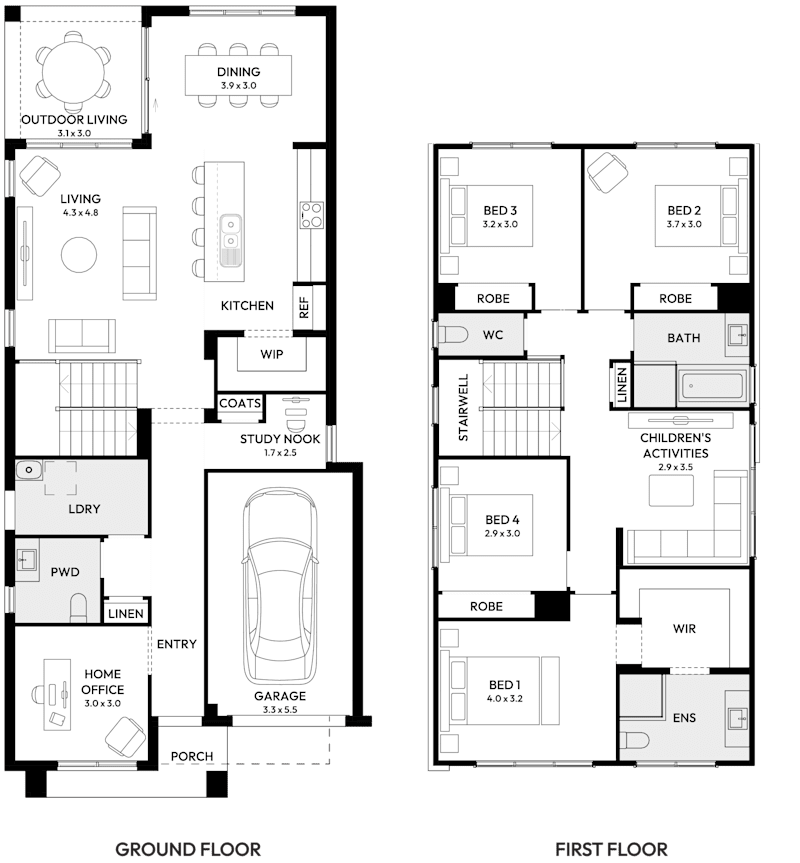
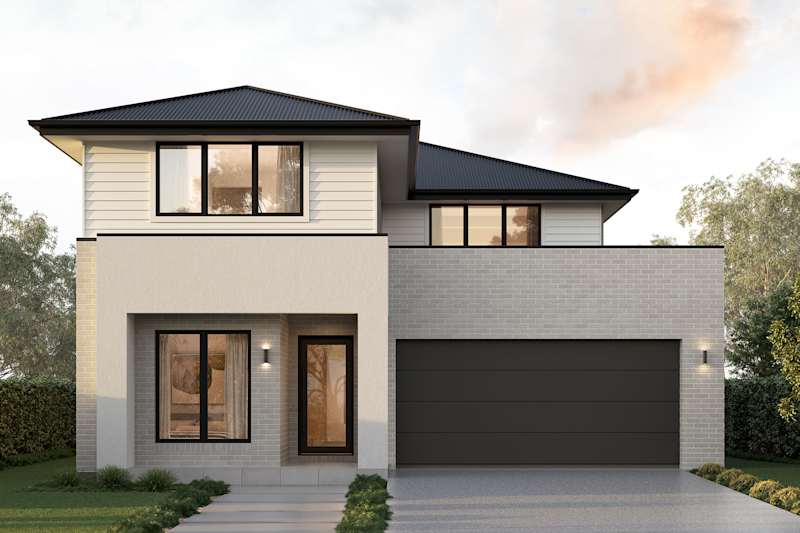
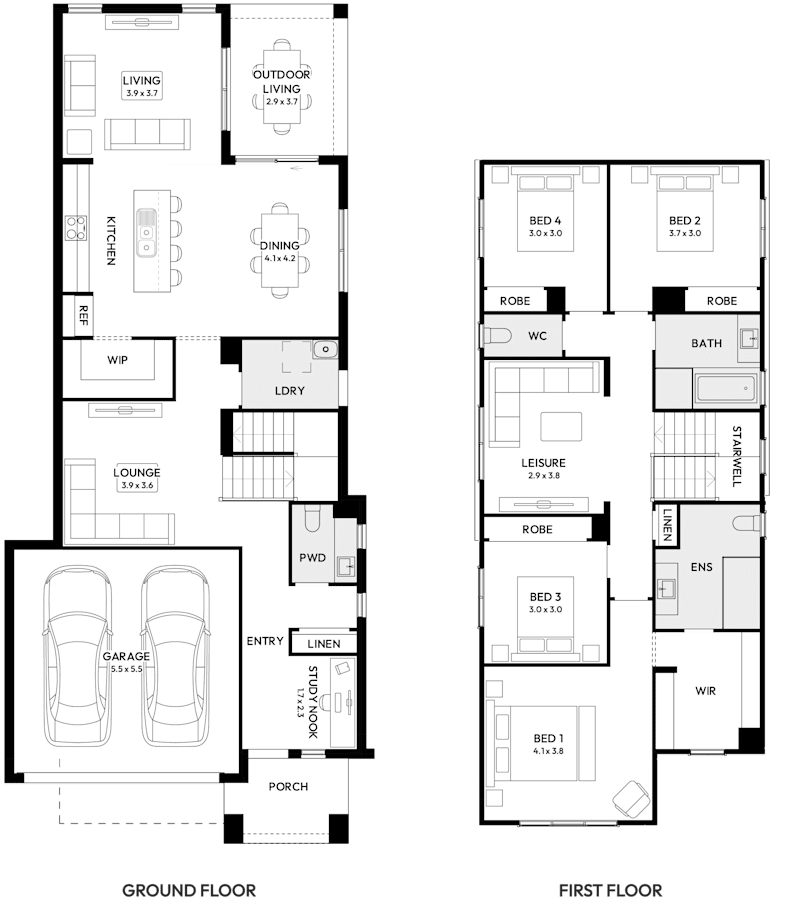
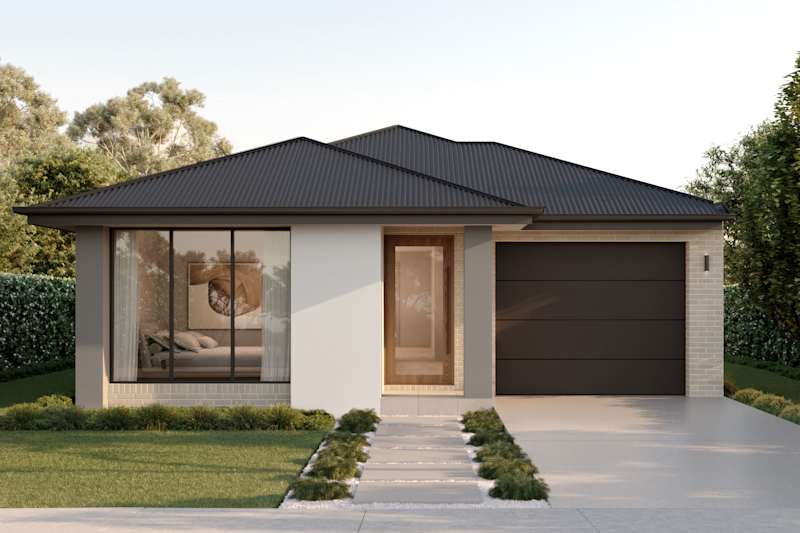
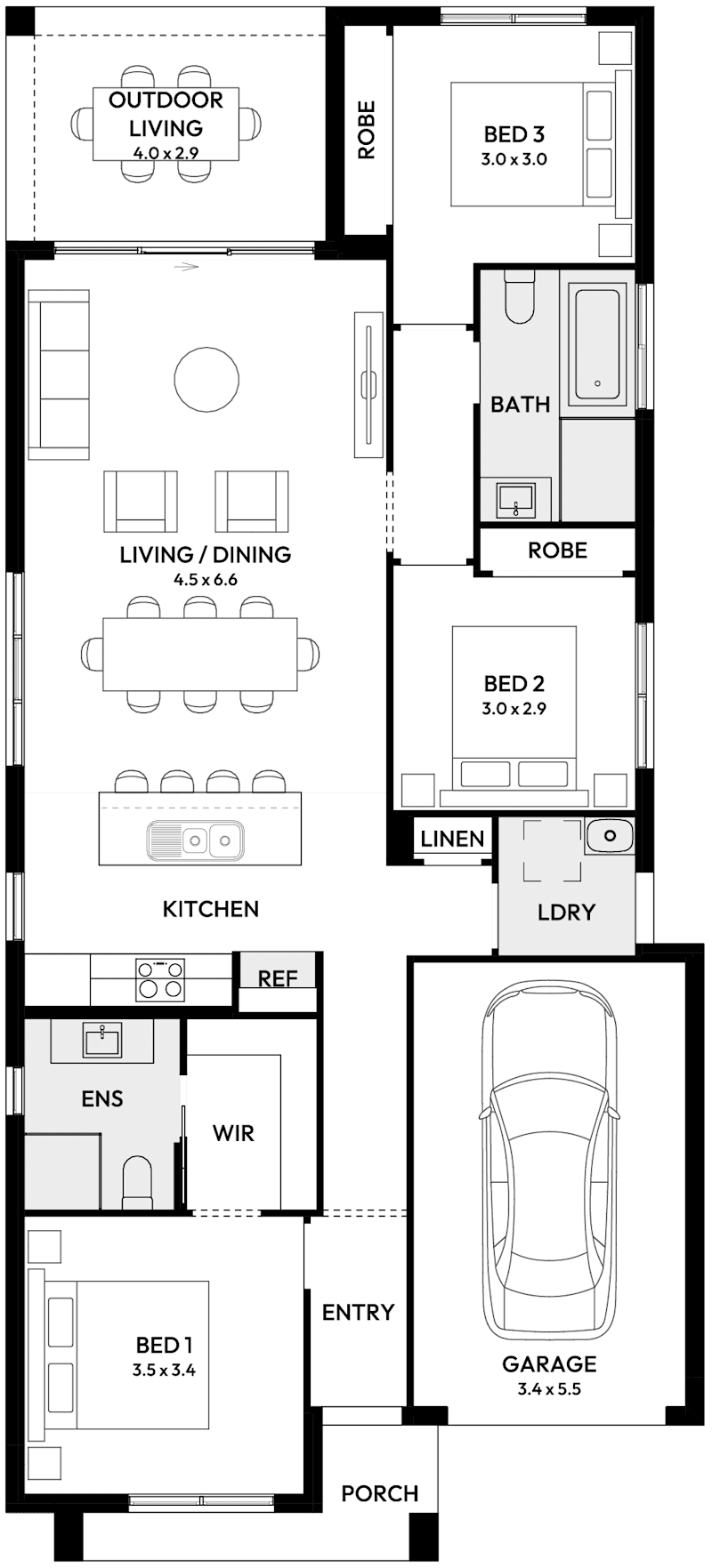
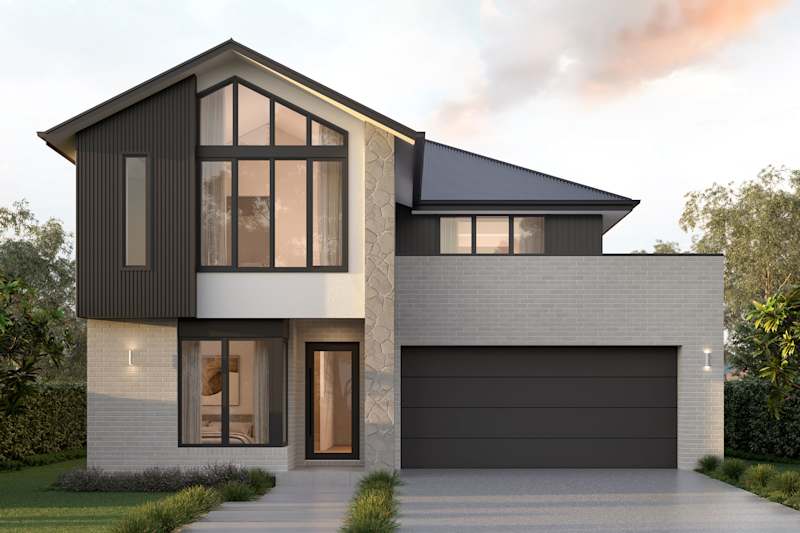
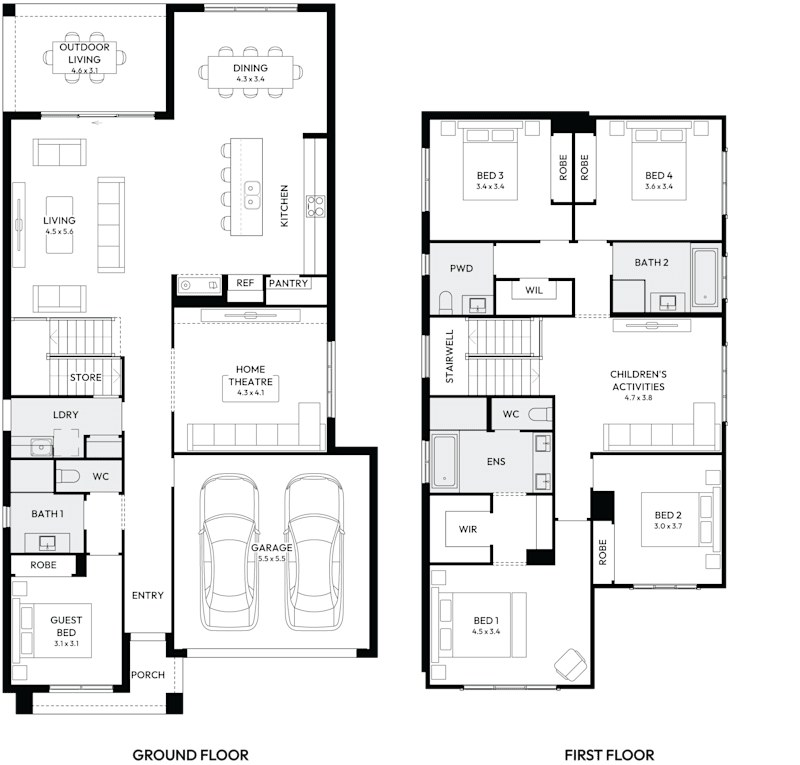
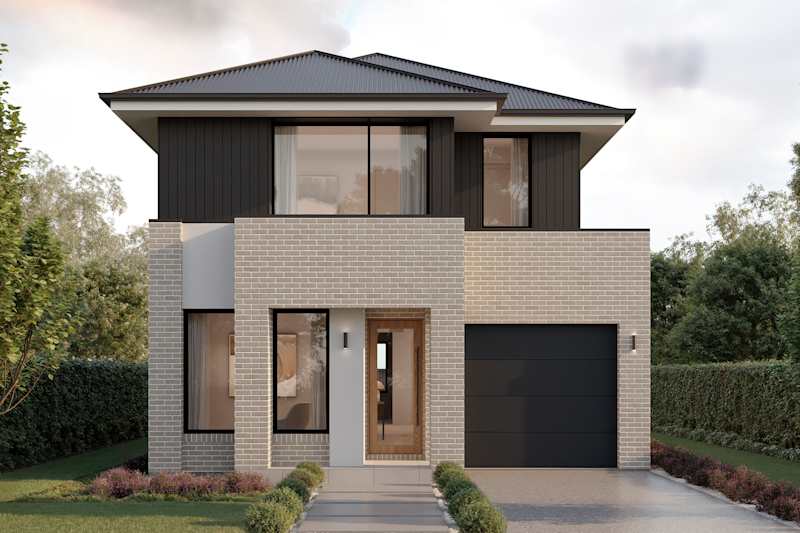
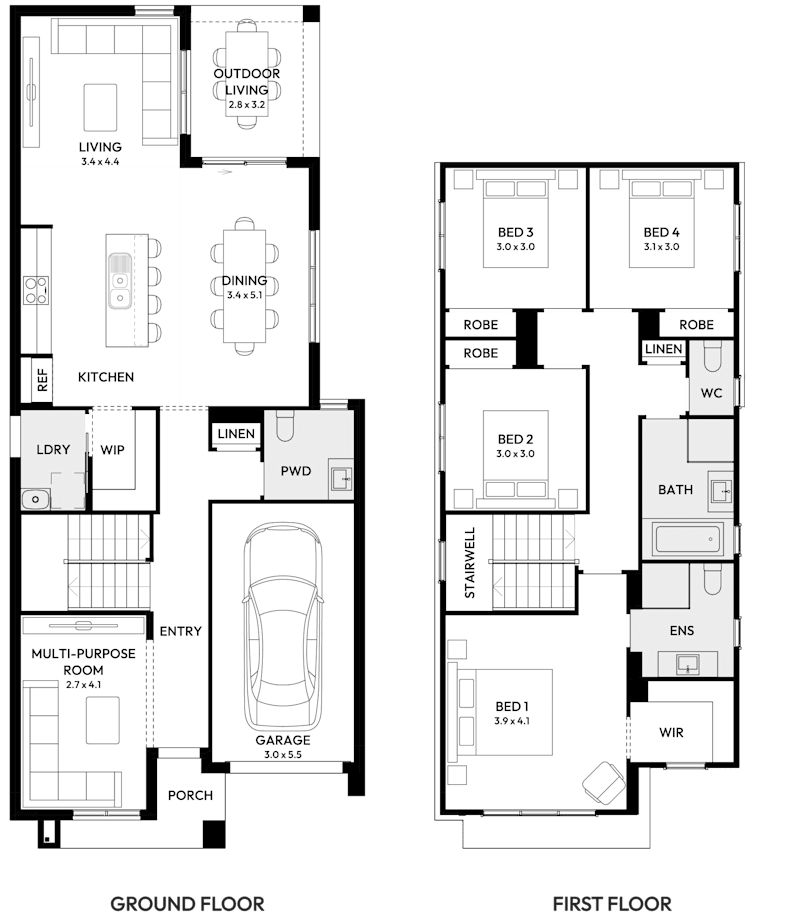
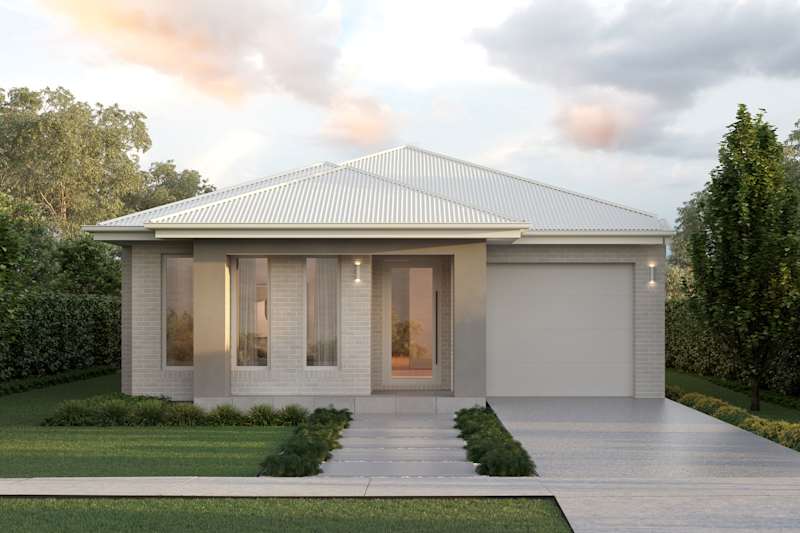
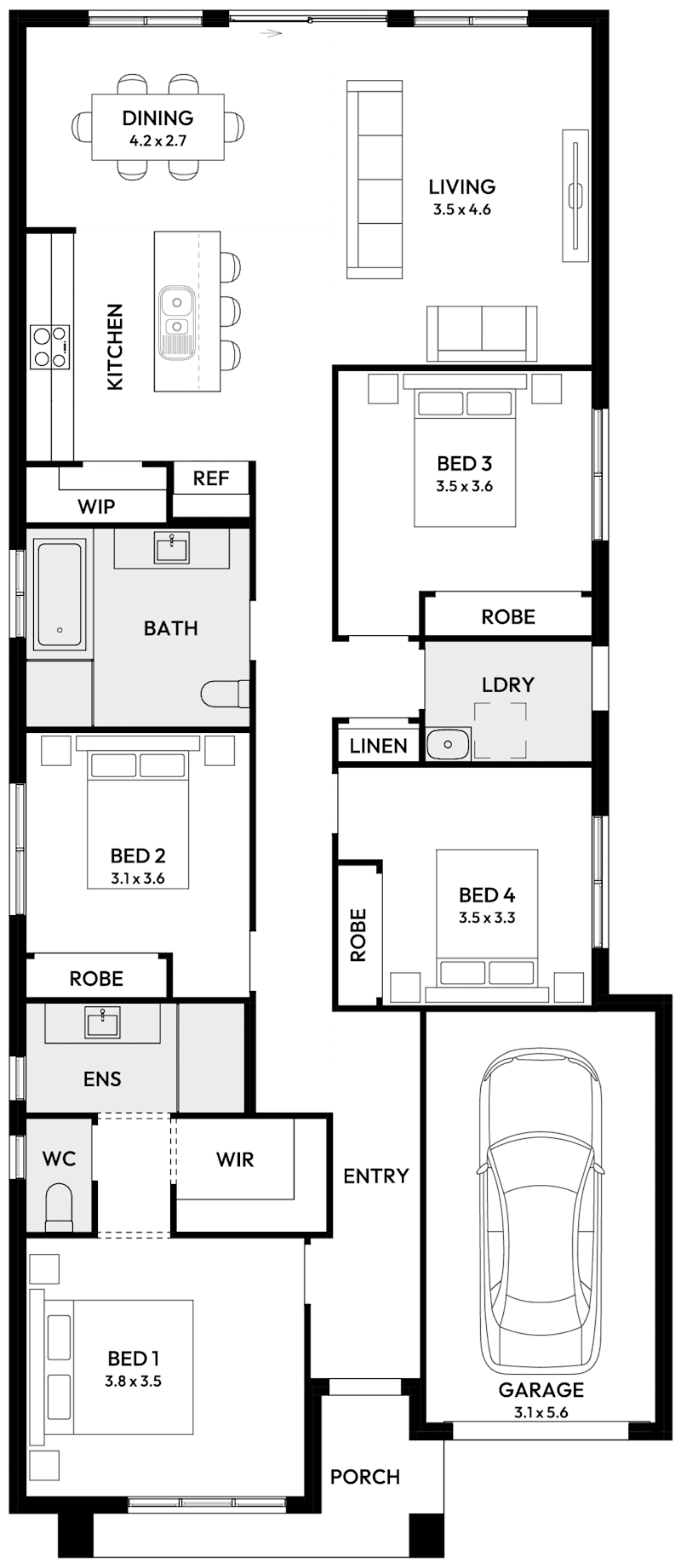
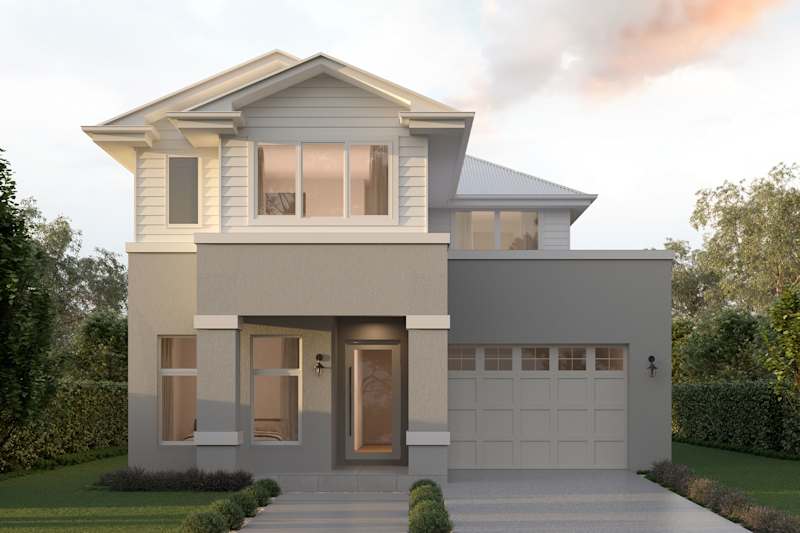
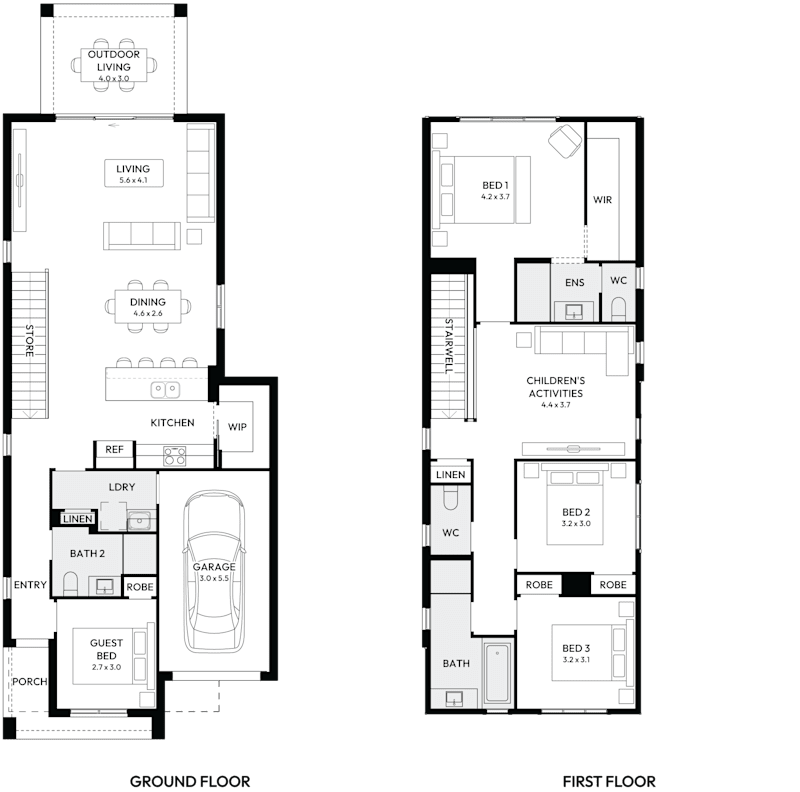
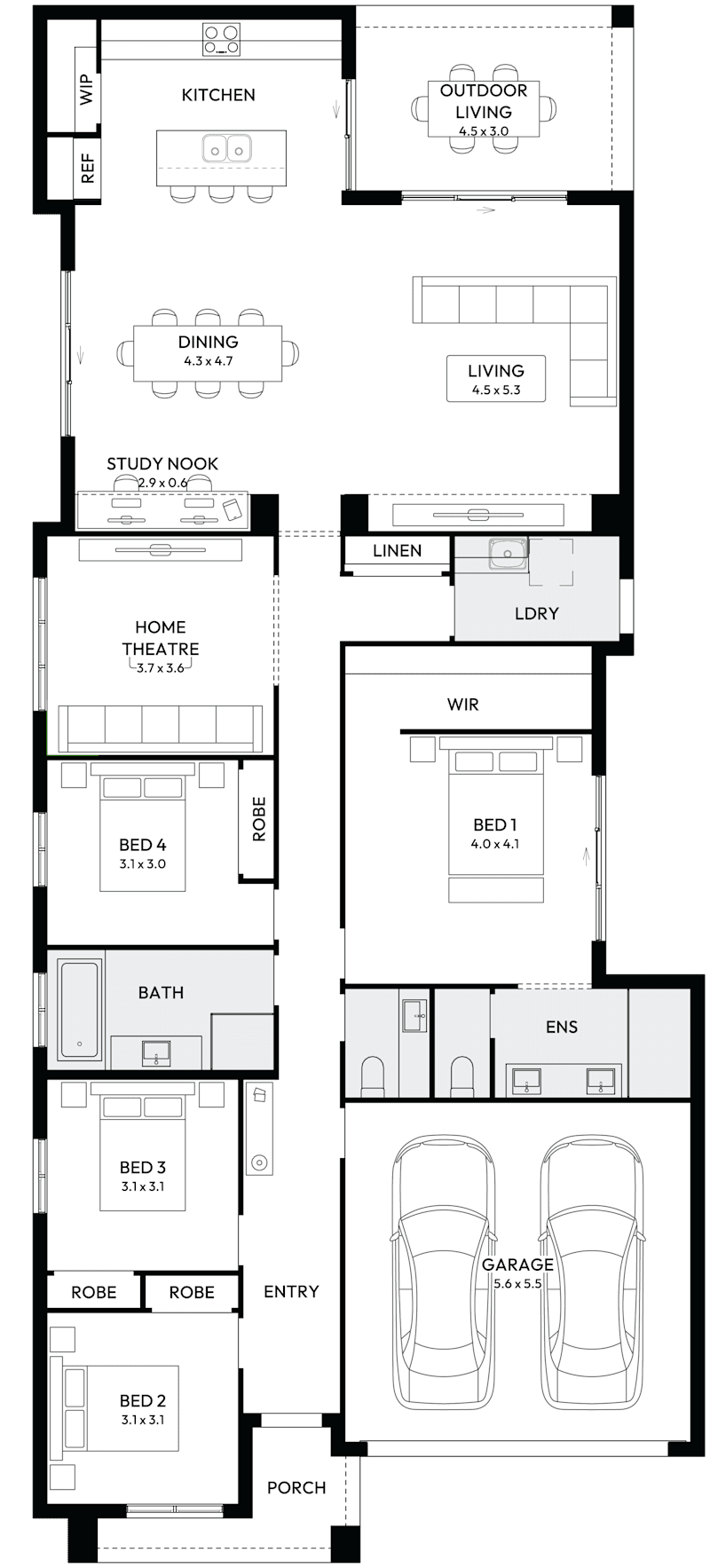
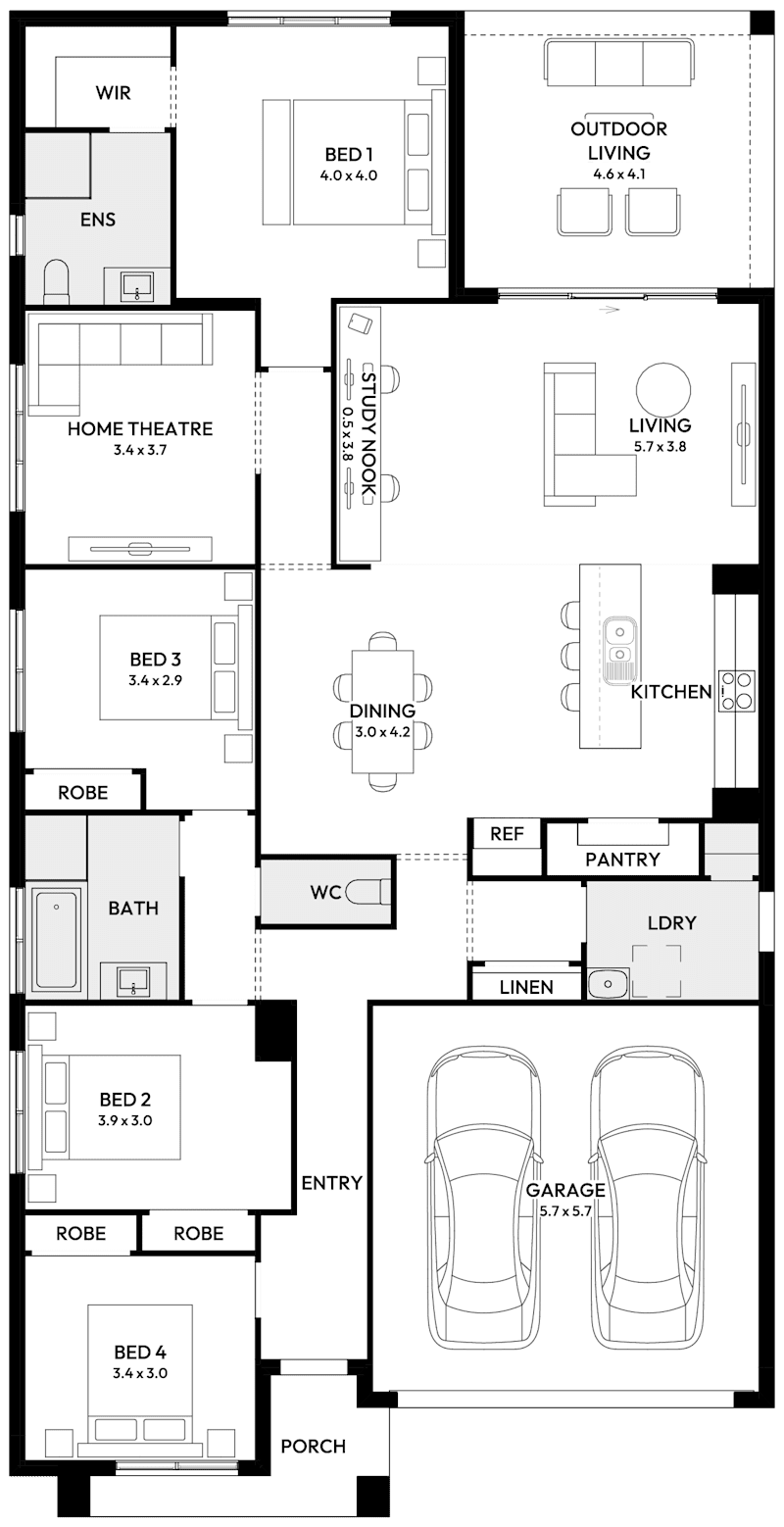
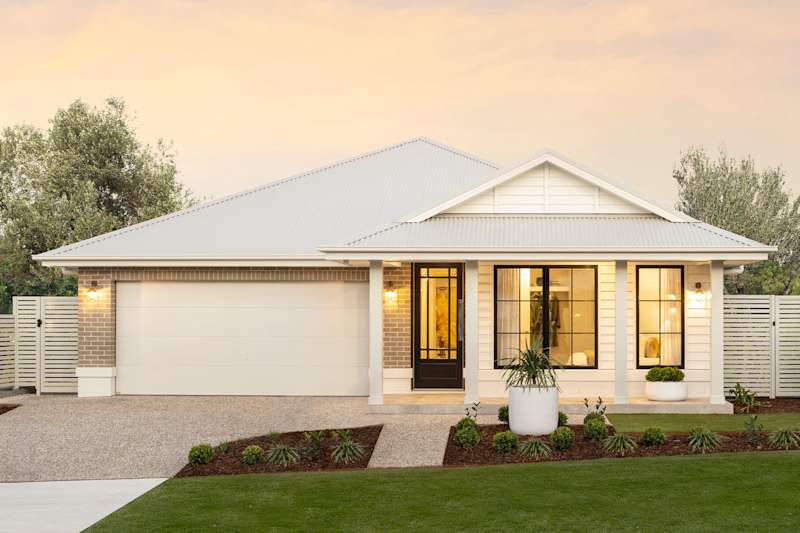
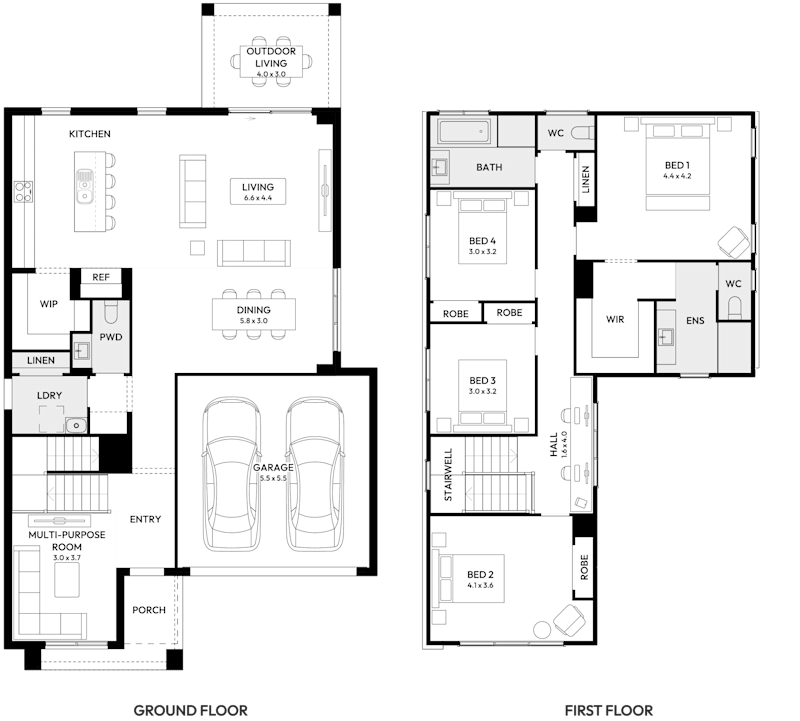
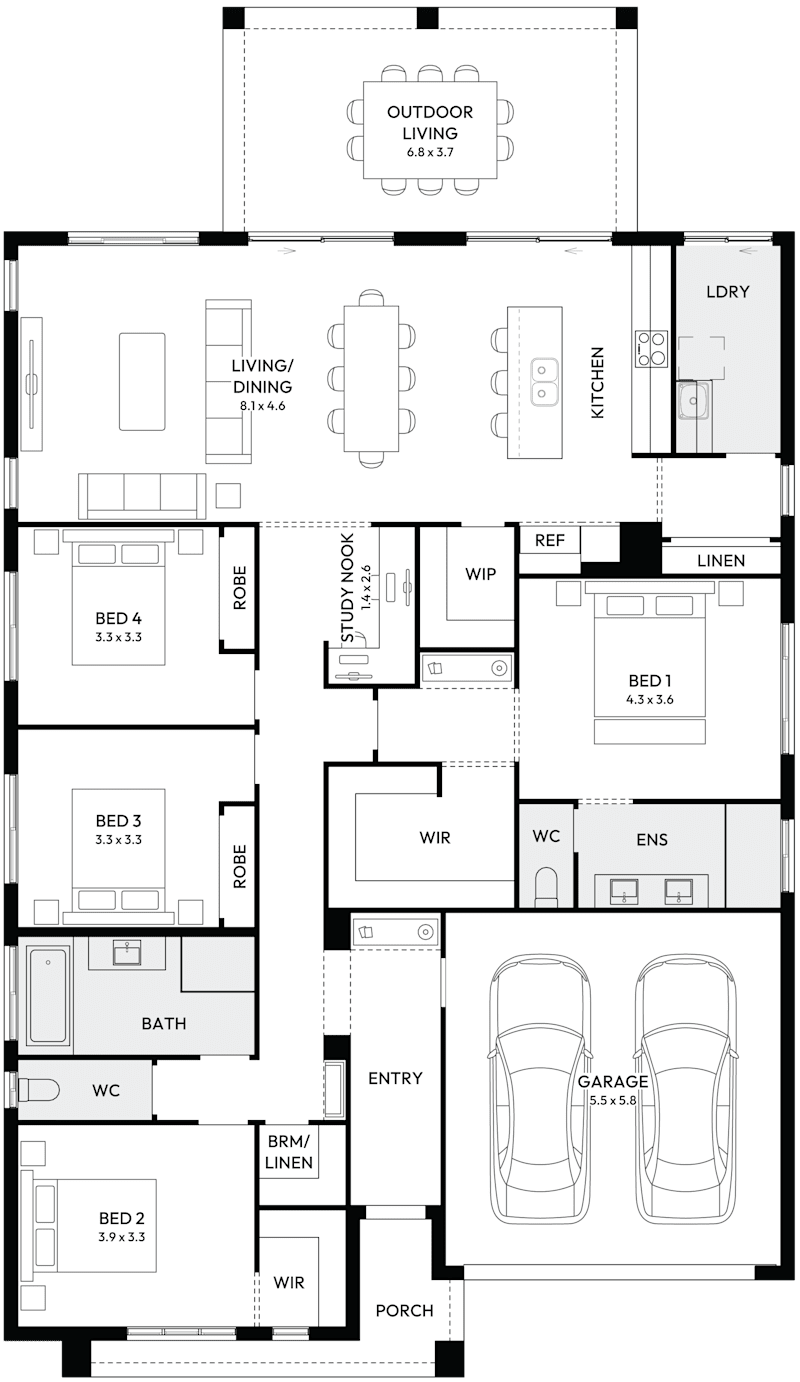
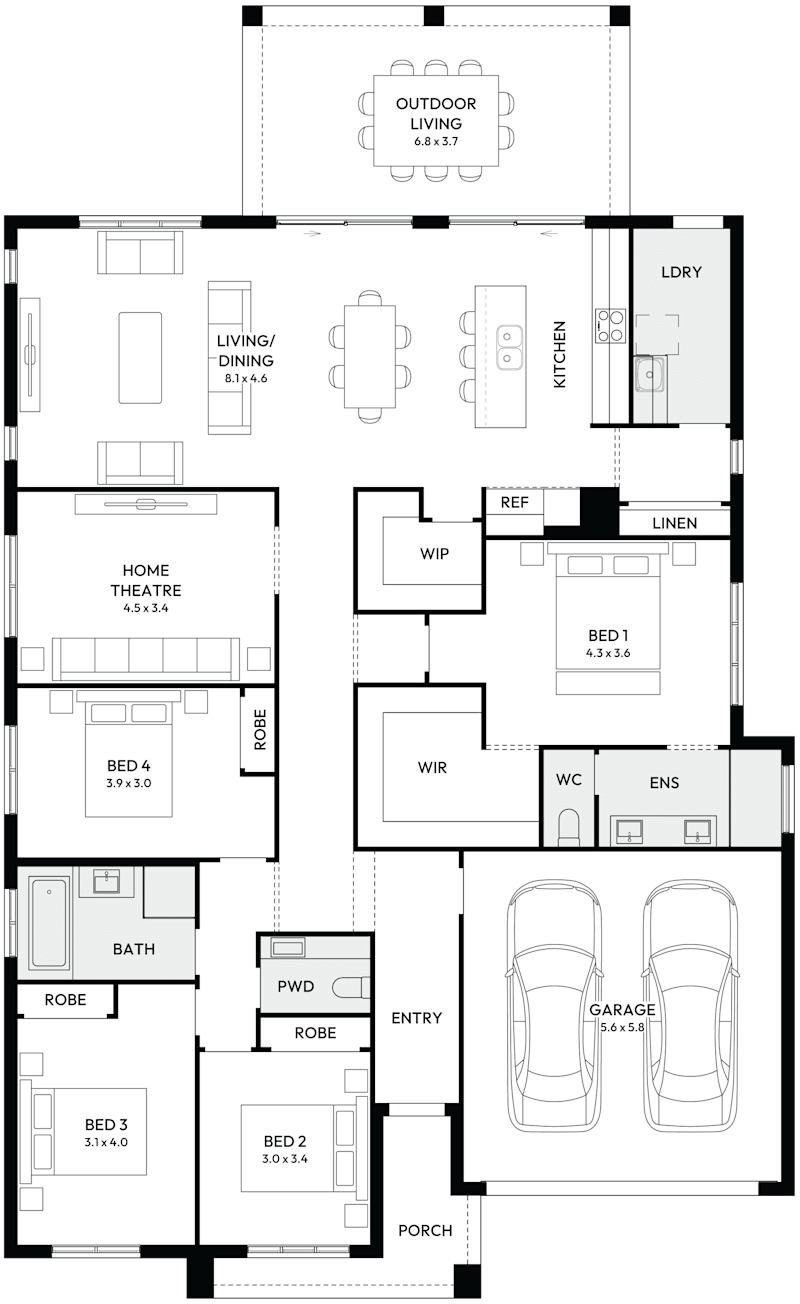
Check yours before you spend anything. Search your address on the NSW Planning Portal Spatial Viewer and read the property report. If the numbers look tight, there are home designs for narrow blocks built for that situation.


image upload c_limit,f_auto,w_1000 v1789445654 blogs can-i-subdivide-my-land-nsw can-i-subdivide-my-land-nsw-4


How long does a subdivision take in NSW?

Longer than most people expect, and approval is only one part of it. Under the Statement of Expectations Order, councils are working to an average determination time of 95 days for 2026/27, tightening to 85 days from 1 July 2027. Real performance varies: the NSW Planning council league table published in June 2026 shows council averages from 18 days to 174 days.

Servicing, civil works, the subdivision certificate and registration each add more on top, and no NSW source publishes an end to end figure, so plan for the process to run well beyond the approval.


Can I subdivide my property, or is a dual occupancy a better fit?

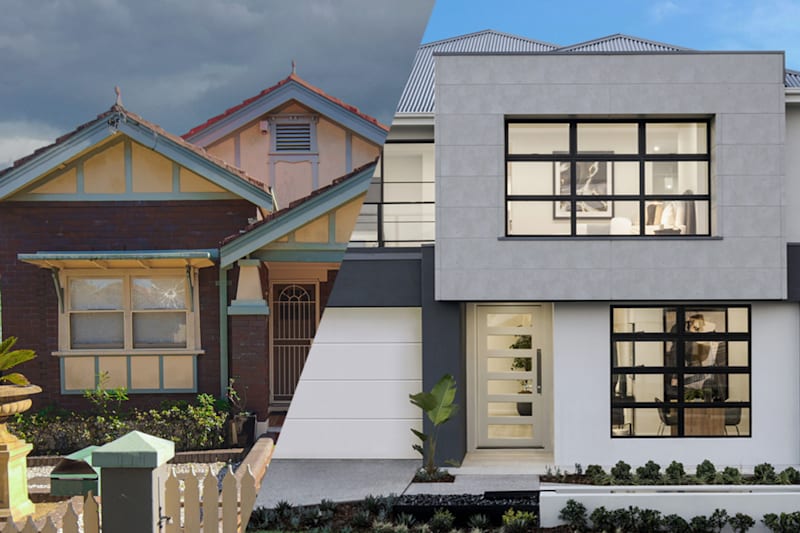
If your block falls short of the minimum lot size, subdividing may not be the only option. Since 1 July 2024, under stage 1 of the NSW Low and Mid-Rise Housing Policy, dual occupancies are permitted with consent in the R2 low density residential zone across the state. Inside the designated low and mid rise housing areas, the policy sets a minimum 450 square metre lot at 12 metres wide, and allows subdivision down to 225 square metres and 6 metres wide per lot.

Those smaller figures apply only inside those designated areas, so check whether your address is in one. The standards are set out in the NSW Planning summary of key provisions. Consent is still required either way.

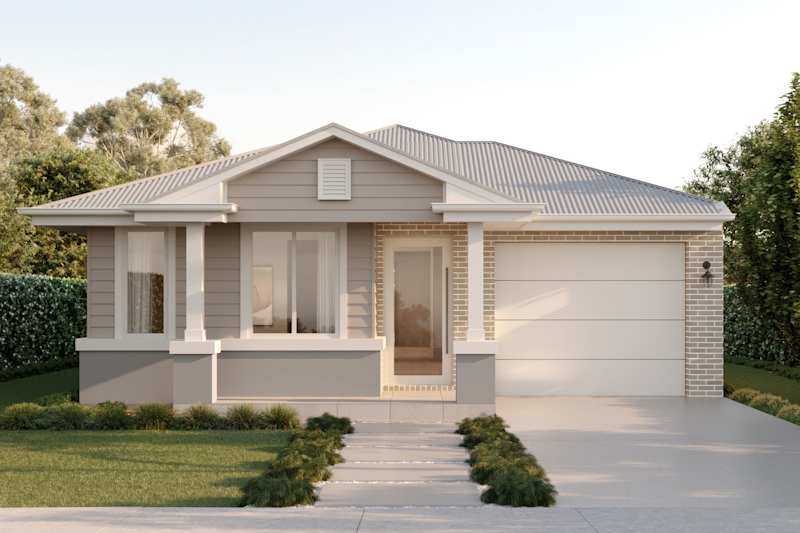
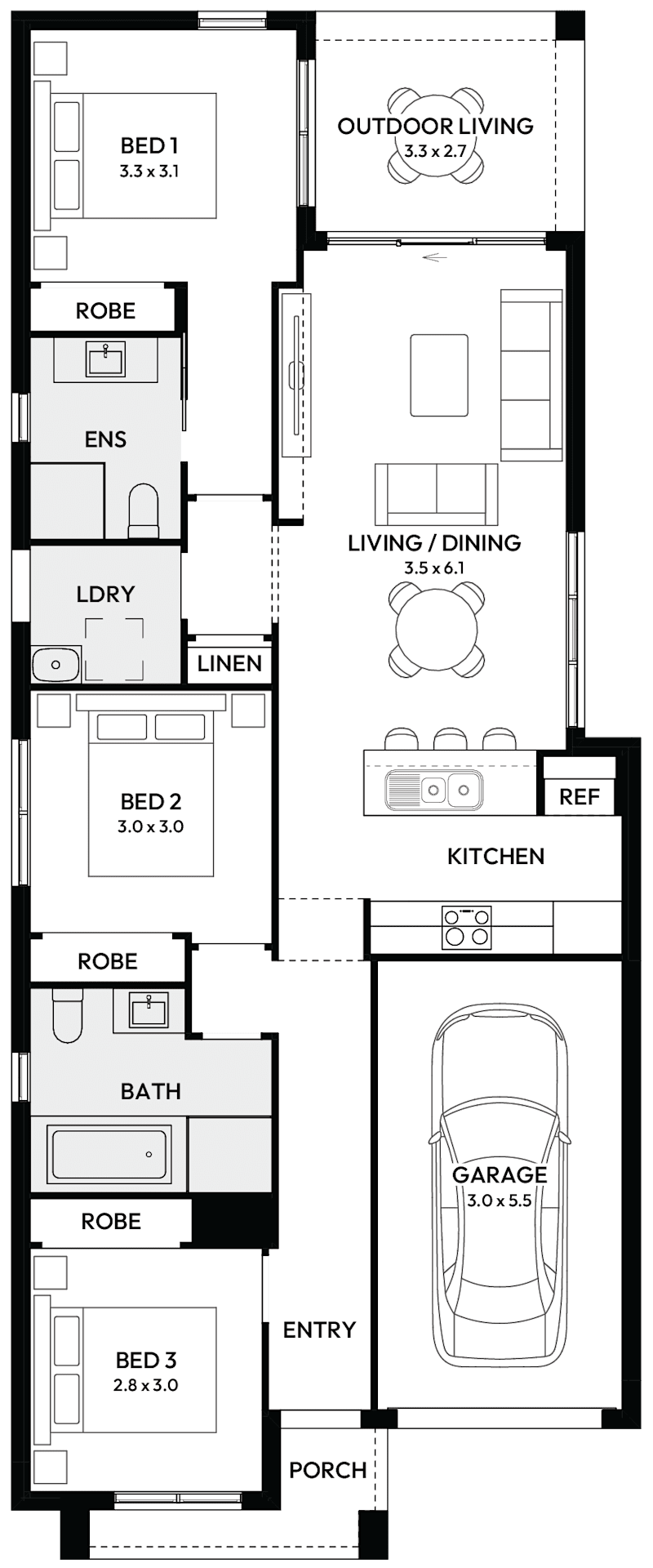
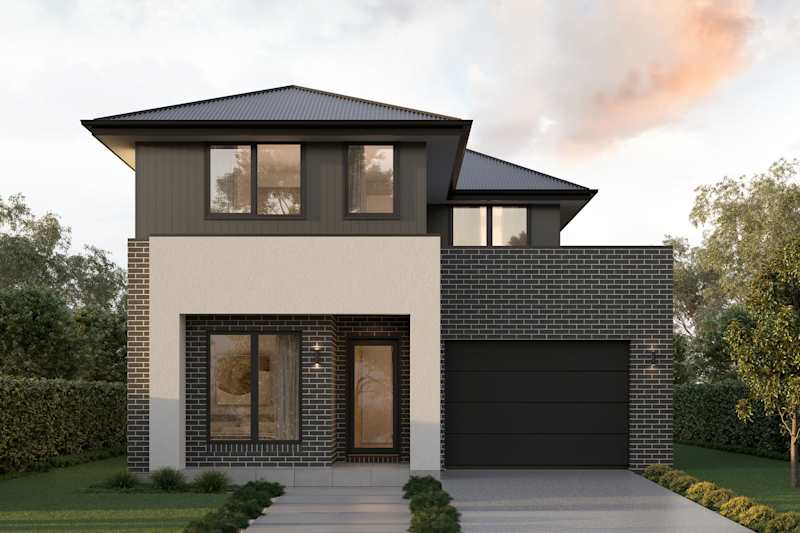
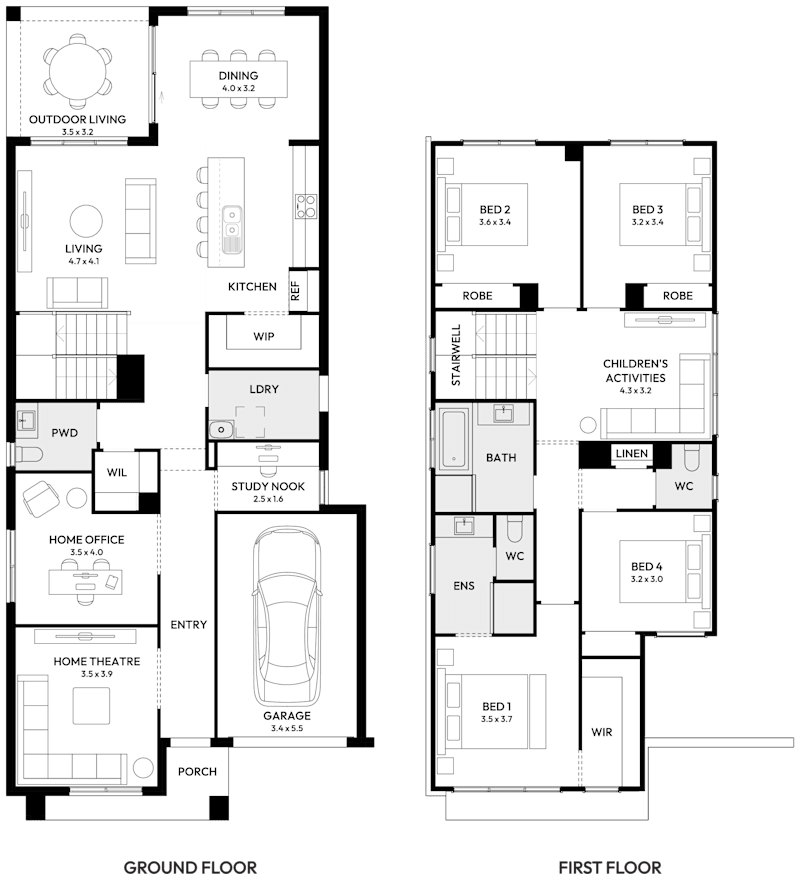
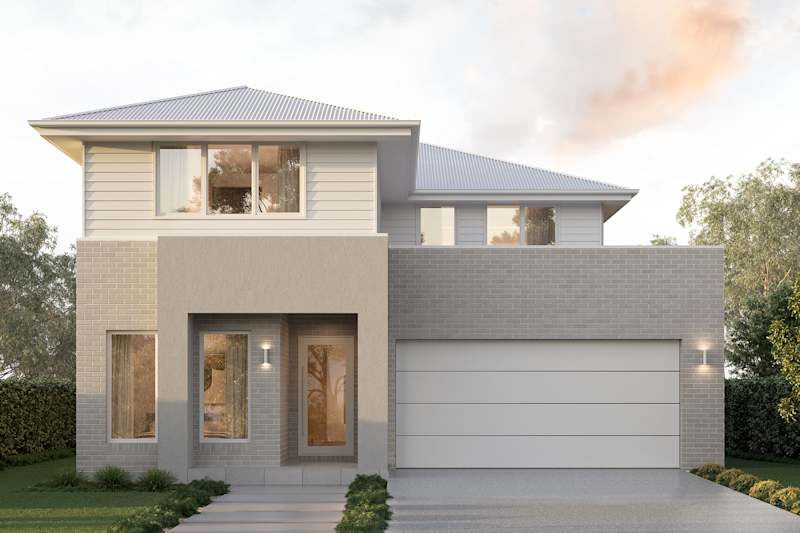
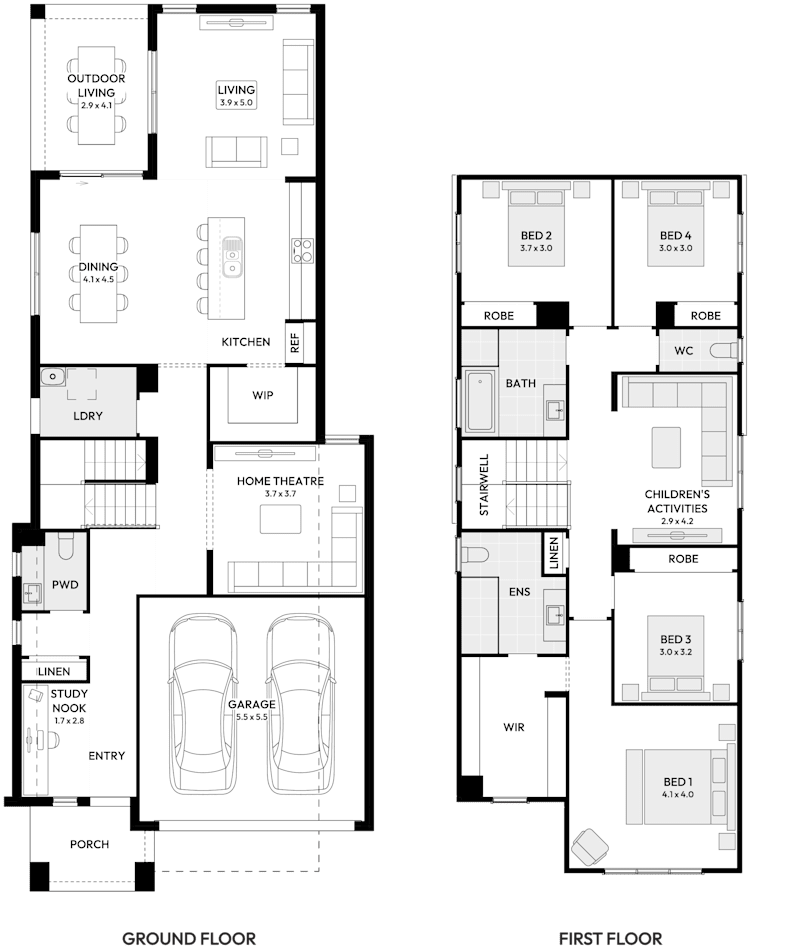
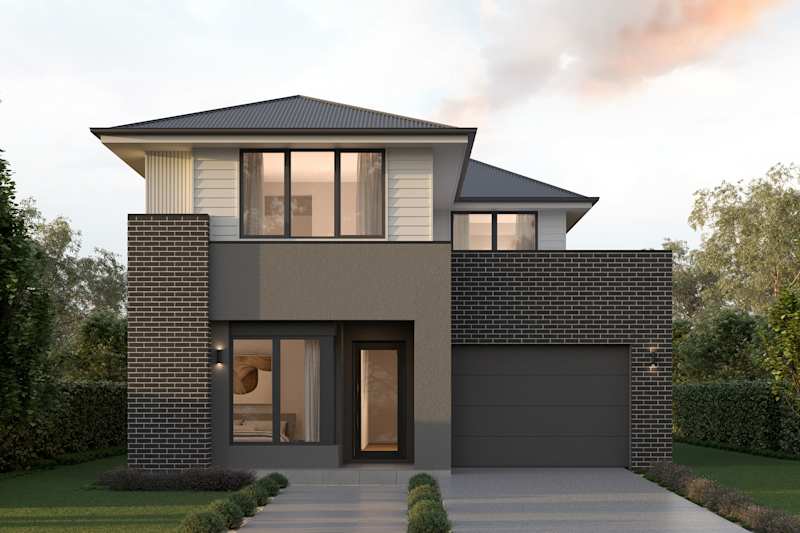
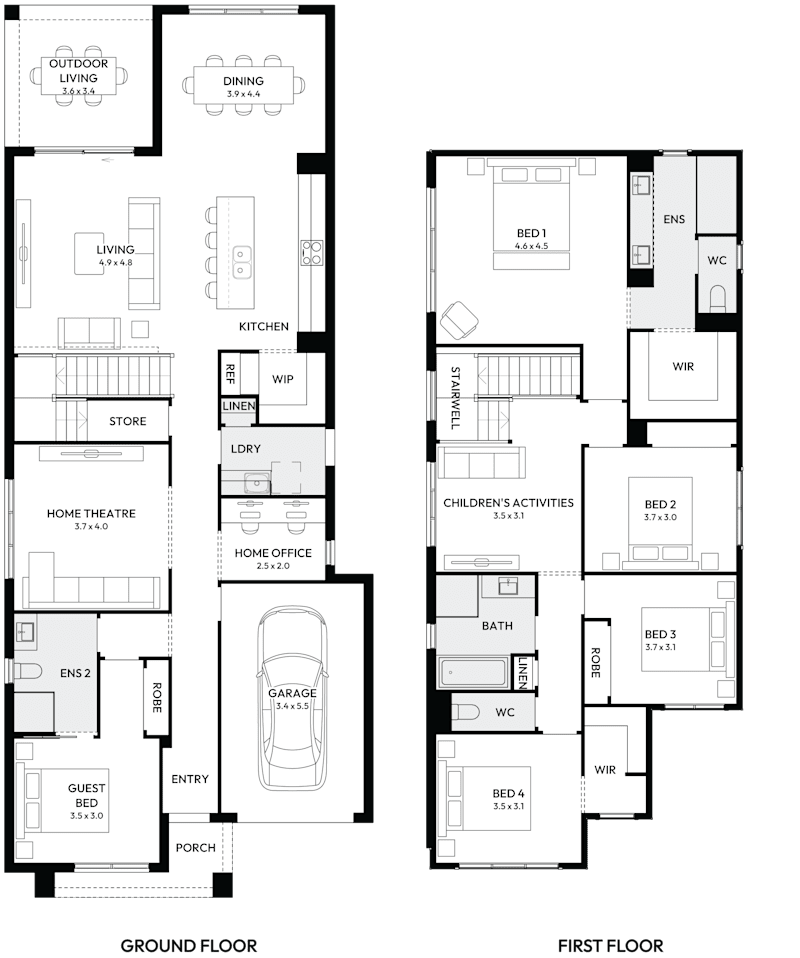
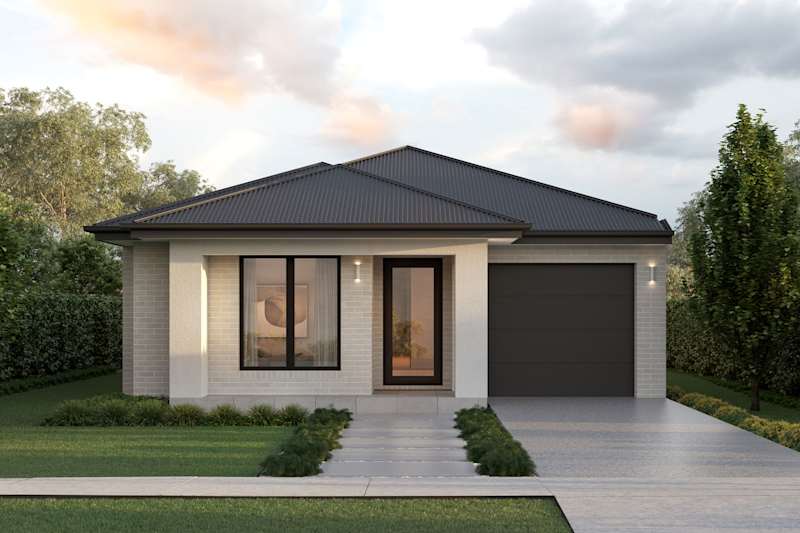
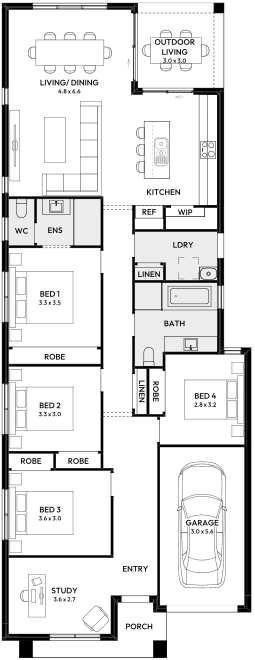
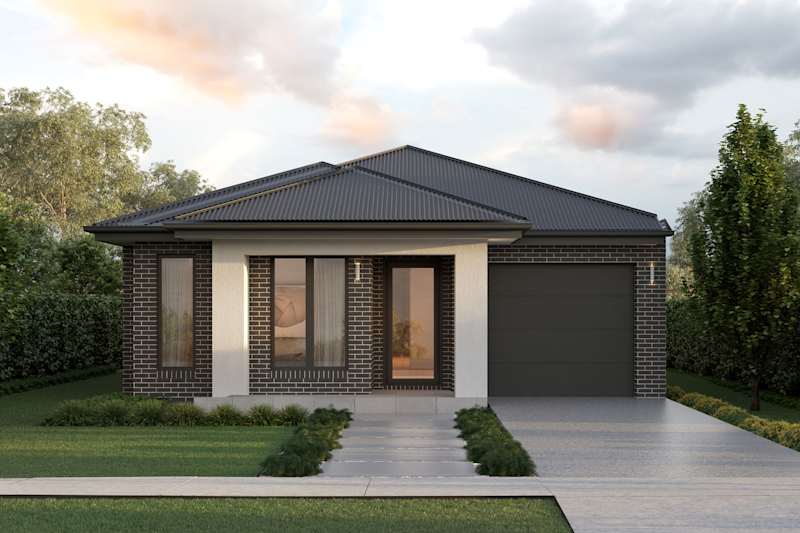
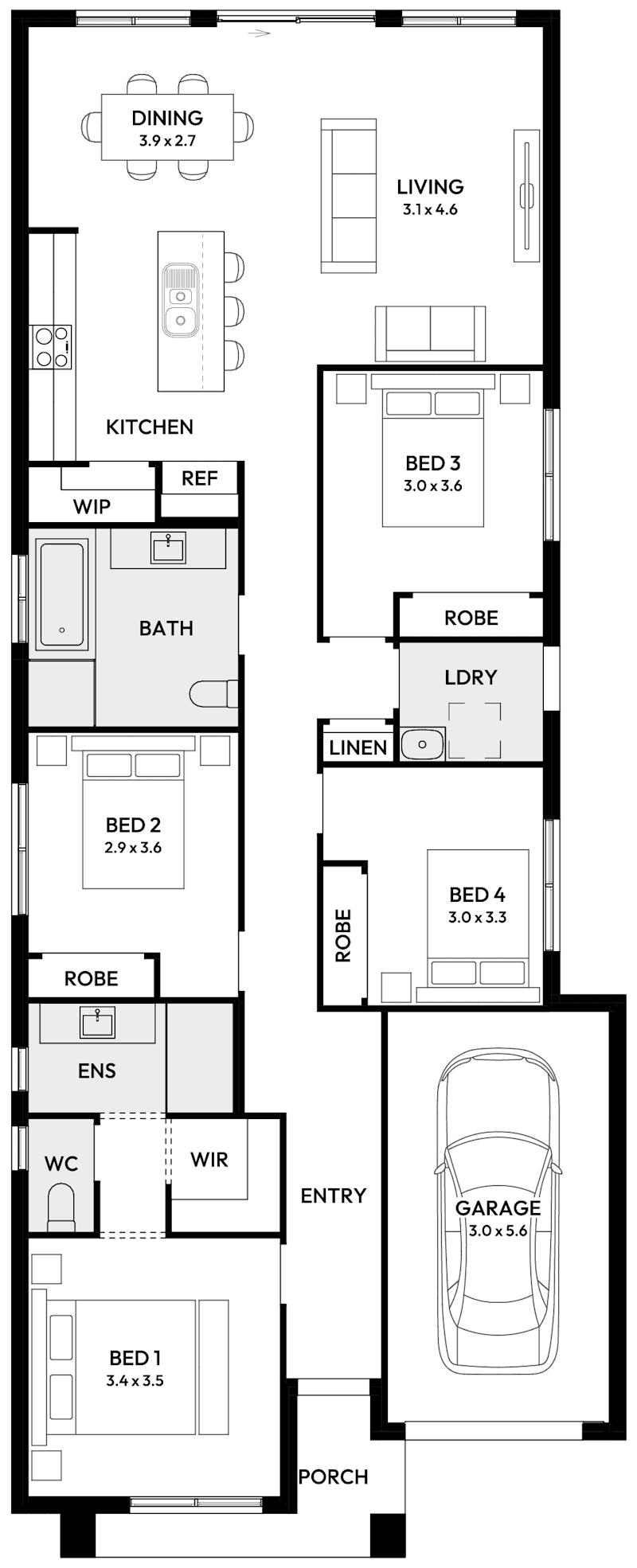
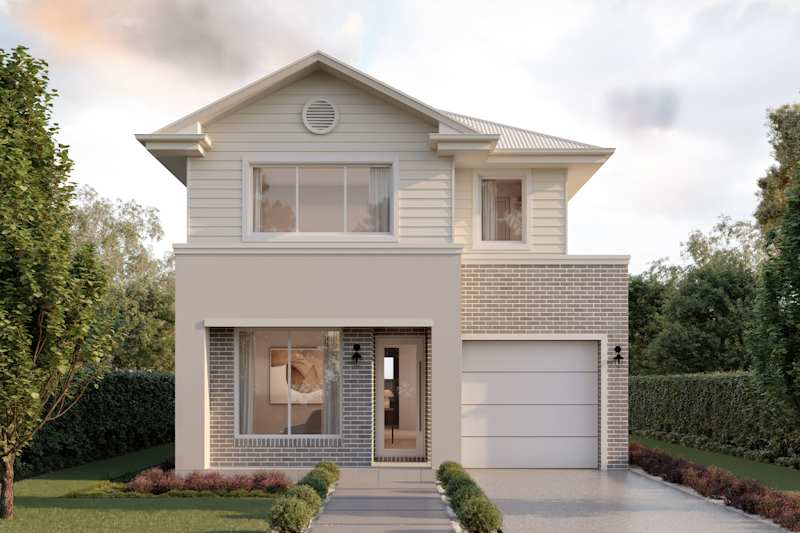
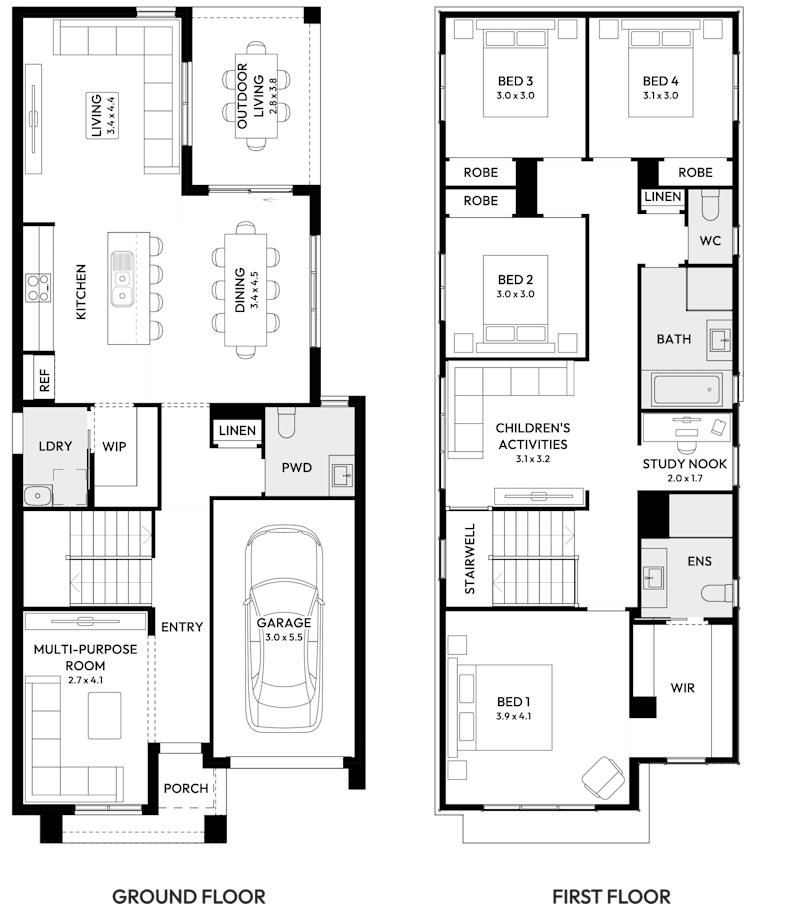
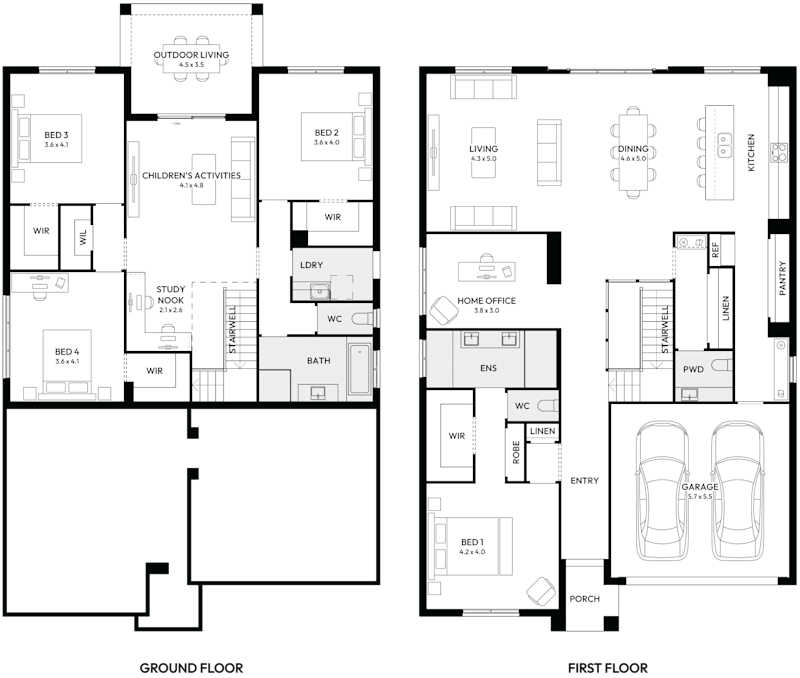
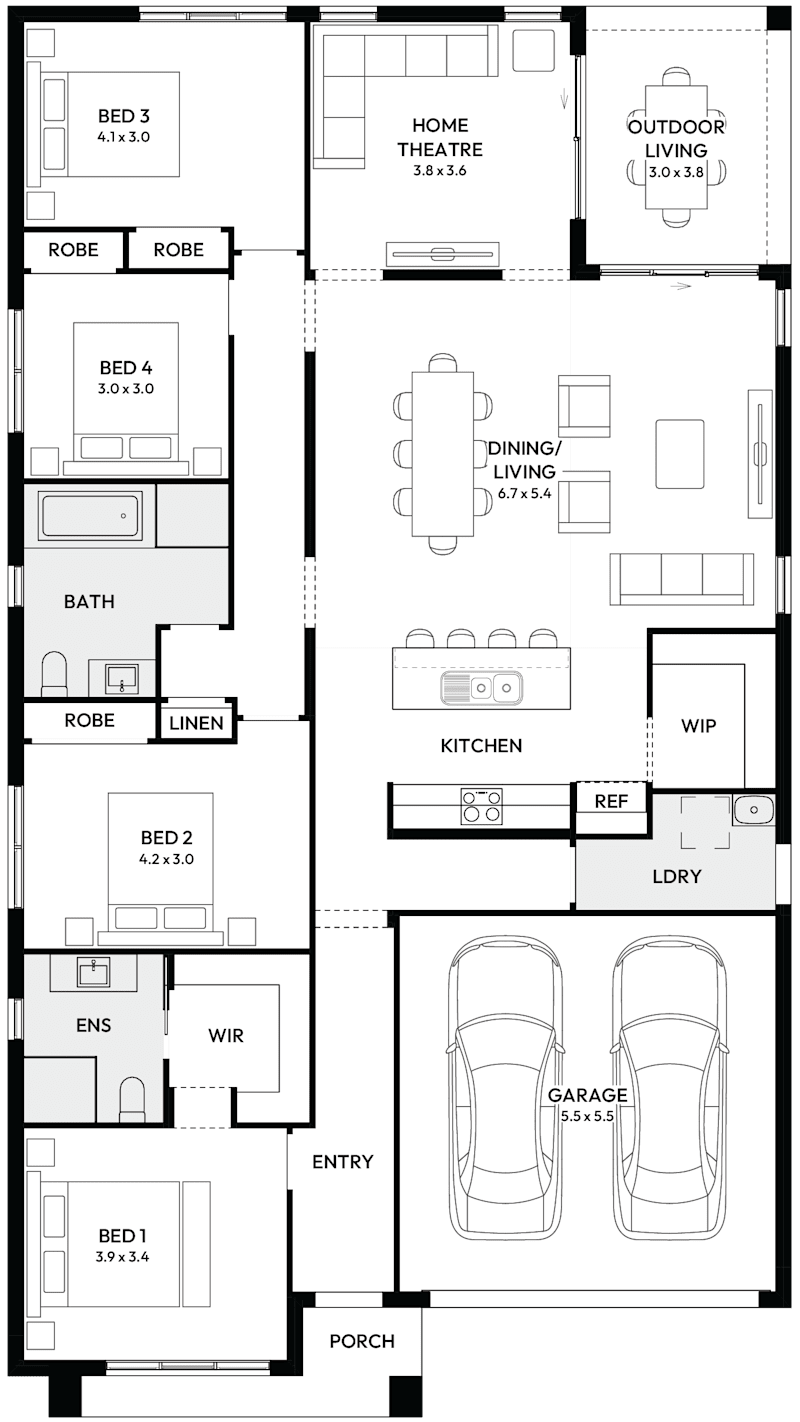
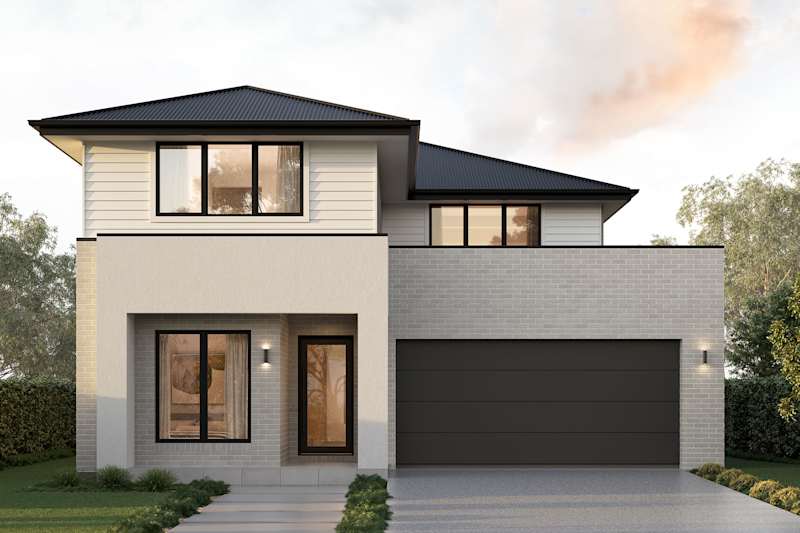
For many owners this is the more practical route: two homes, one approval pathway, no waiting on new titles before you build. If it suits your block, the dual occupancy home designs and duplex home designs are the ones to look at first.


image upload c_limit,f_auto,w_1000 v1789447493 blogs can-i-subdivide-my-land-nsw can-i-subdivide-my-land-nsw-5


Getting started with your subdivision plans with Mojo Homes

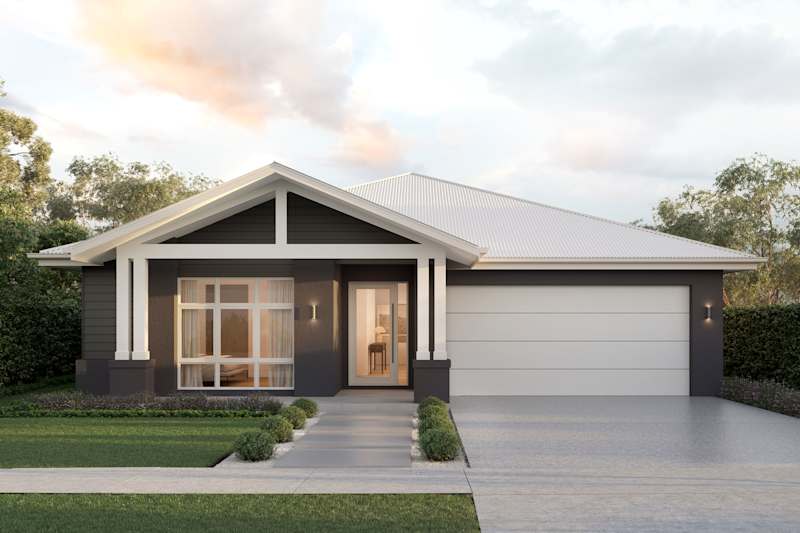
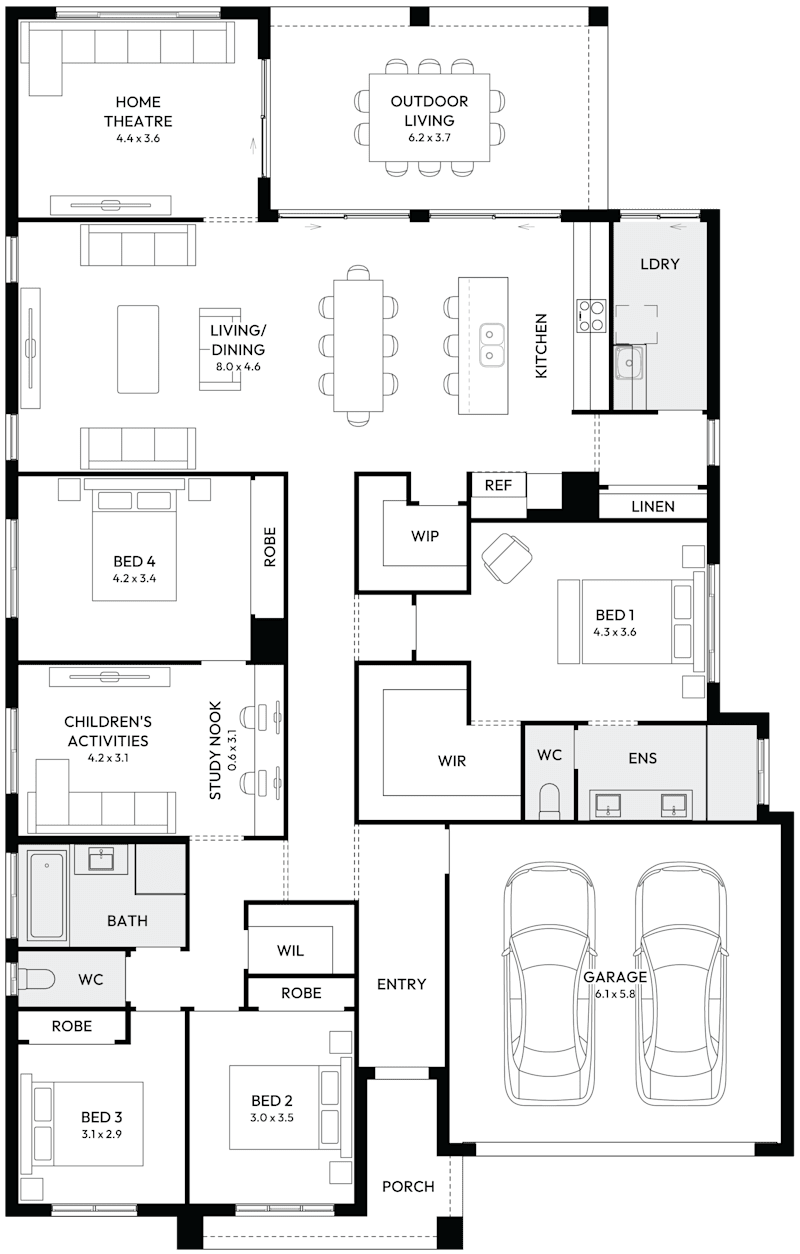
Mojo Homes does not carry out subdivisions. Your surveyor, certifier and council handle that part. What we can do is the next part: once you know the lot size and frontage you will end up with, we can show you the designs that suit it.

Steel frames, 20mm stone benchtops and COLORBOND roofing are included as standard within the relevant M-series inclusion series, and every home carries the 25 year structural guarantee, transferable to a future owner. Mojo Homes is backed by NEX Building Group and more than 35 years of group experience.

If there is an existing house coming down first, read how a Mojo Homes knockdown rebuild works, then knockdown rebuild costs, finance and timelines in NSW. There are local pages for a knockdown rebuild in Sydney and a knockdown rebuild in the Hunter Valley.

Call 1300 006 656, speak with the Mojo Homes team about your block, or visit a Mojo display home to see the designs in person.

FAQ

What size block do you need to subdivide in NSW?

There is no statewide minimum. Your council's Local Environmental Plan sets the minimum lot size for your zone and shows it on the plan's lot size map. Hornsby Shire lists roughly 500 to 600 square metres in R2, while City of Newcastle lists 400 or 450 square metres. Check your address on the NSW Planning Portal Spatial Viewer first.

Do I need council approval, or can I use a complying development certificate?

Most subdivisions need development consent, which means a development application to your council. A complying development certificate is possible in narrower cases: the Low Rise Housing Diversity Code allows Torrens title subdivision of low rise housing such as dual occupancies and terraces, but only once an occupation certificate has been issued.

Do I pay tax if I subdivide my property?

Subdividing is not itself a capital gains tax event. The ATO treats a subdivided block as two or more separate assets for CGT purposes, and the gain or loss arises when you sell. Selling a vacant lot without the dwelling on it does not attract the main residence exemption, and the land tax principal place of residence exemption does not apply to vacant land. This is general information, so talk to your accountant.

Is it worth subdividing your block?

That depends on what the finished lots are worth against what the process costs, and how long your money is tied up. Confirm the minimum lot size for your zone, get real quotes for the surveyor and site works, then compare the result against a dual occupancy on your existing title.