Why does house orientation matter?
When it comes to building a house, there are numerous factors to consider. However, one aspect that often goes overlooked is the orientation of the house.
Read More
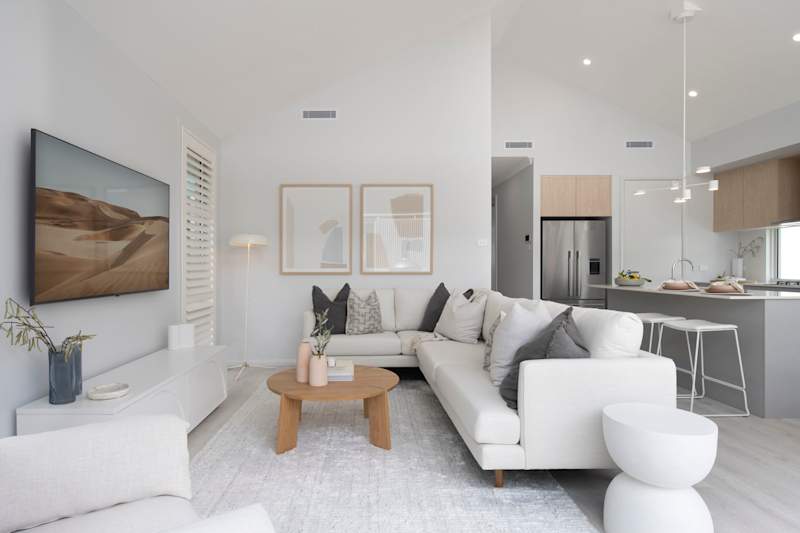
High ceiling homes are among the most popular building upgrades across Australia. Learn more about ceiling height requirements across NSW and the benefits of raising your roof.
Typically, ceilings in Australia are set at a standard height of around 2.4 meters. However, variations can arise from factors such as building type and local codes.
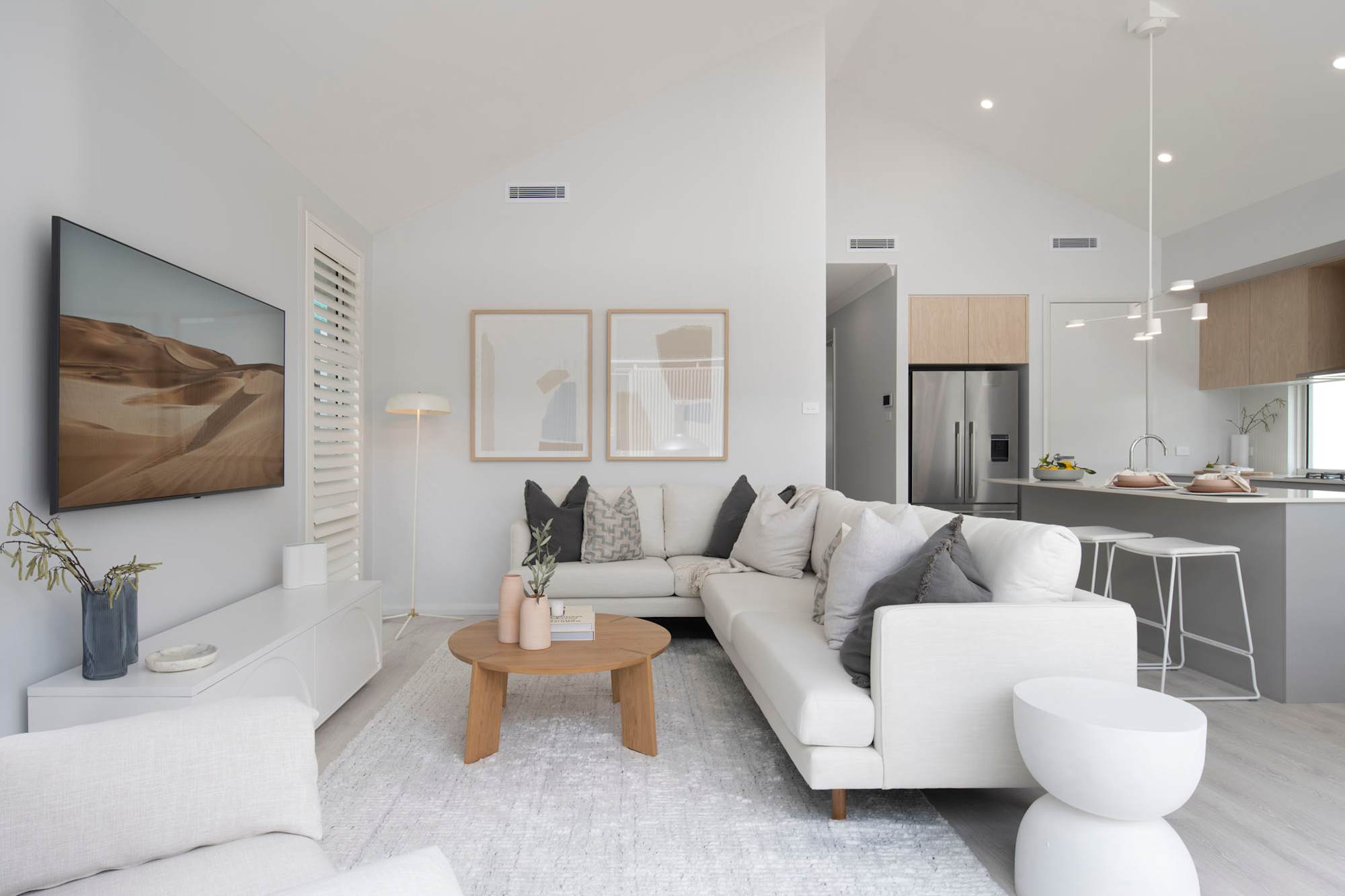
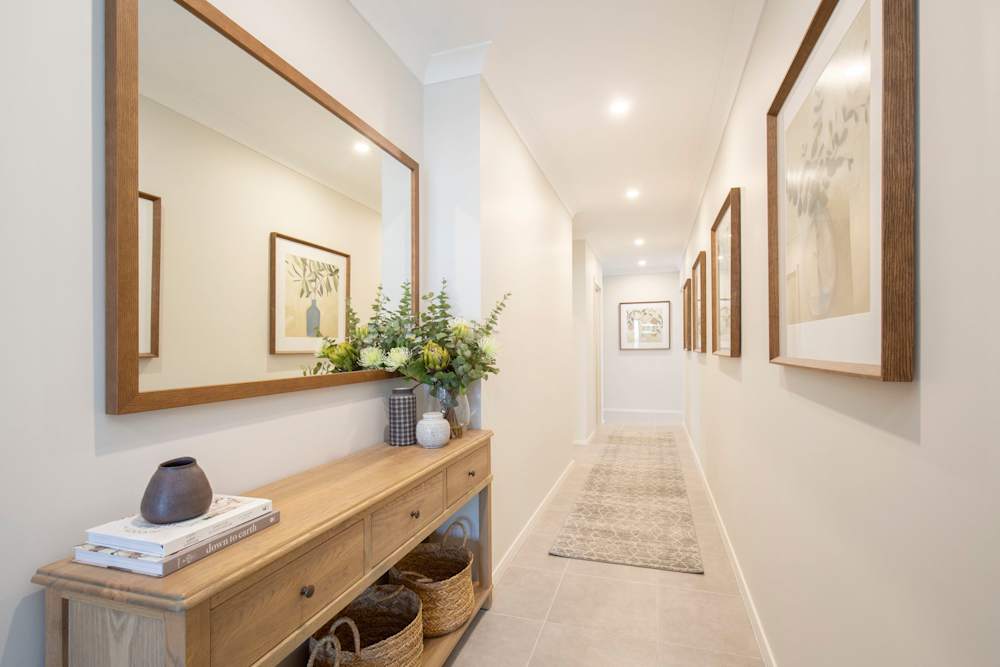
The 2.4-meter benchmark often serves as a reference for homes, yet individual choice might prompt homeowners to opt for higher dimensions. A higher ceiling can create an expansive, airy ambience, while lower ceilings in areas such as bedrooms can evoke a snug, inviting atmosphere.
Ceiling heights hold great importance in the realms of construction, as this is something you can’t amend after the build.
First and foremost is comfort and livability. The height of a ceiling can wield a substantial influence on the overall comfort and livability of an area. Stepping into a room with low ceilings can create a cosy ambience, whereas high ceilings create greater openness in your home.
Ceiling heights determine a space's functionality. Rooms with taller ceilings can accommodate elevated furnishings and larger objects, while those with lower ceilings may be better suited for intimate gatherings or specific areas like bedrooms.
Energy efficiency, often overlooked in discussions on ceiling height, is another important factor. High ceilings increase a room's air volume, which can raise heating and cooling costs. In contrast, lower ceilings reduce the volume of air, which can make it easier to maintain a comfortable temperature. Although the variance might not be much, it should still be taken into consideration when building a home.
In Australia, the National Construction Code (NCC) sets the rules to ensure your home is liveable and safe. For habitable rooms like living rooms and bedrooms, the minimum height is 2.4 metres. Service areas, including bathrooms and laundries, can sit slightly lower at 2.1 metres.
Falling below these standards doesn't just make a space feel cramped; it impacts your property's value and compliance. At Mojo, we design all our floor plans to meet or exceed these requirements, giving you total peace of mind and a home that feels spacious from day one.
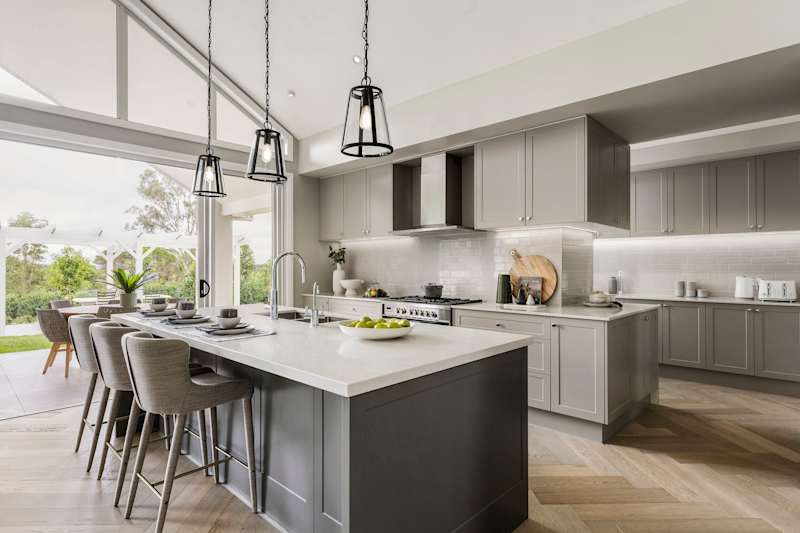
Your ceiling is the design feature that defines the volume and character of your home. We use these tiles in our designs to add depth, light, and a high-end finish to your living spaces:
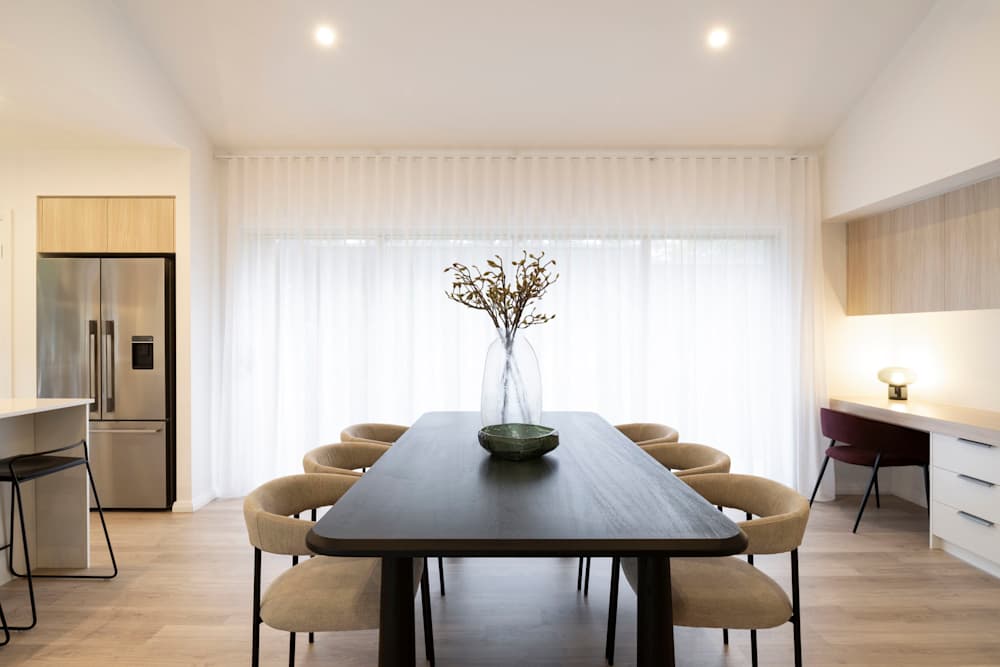
High ceilings tend to allow more natural light to enter, creating a luminous and inviting atmosphere. This reduces the need for artificial lighting and, consequently, energy costs, a particularly valuable attribute for compact living spaces.
Heightened ceilings create a sense of expanded roominess, crafting the perception of larger and more open interiors. This effect is particularly significant for compact homes, where space is a bonus.
Among the most striking features of elevated ceilings is their capacity to create a sense of grandeur in any room.
Ceiling height can make a huge difference in your home’s thermal volume. While lower ceilings make it easier to maintain a consistent temperature, higher ceilings (2.7m and above) are a great choice for warmer regions. They promote natural airflow and cooling, making those hot summer days far more comfortable. Beyond comfort, investing in height adds a premium feel, boosting your property’s resale value, as buyers often pay more for that sense of space and luxury.
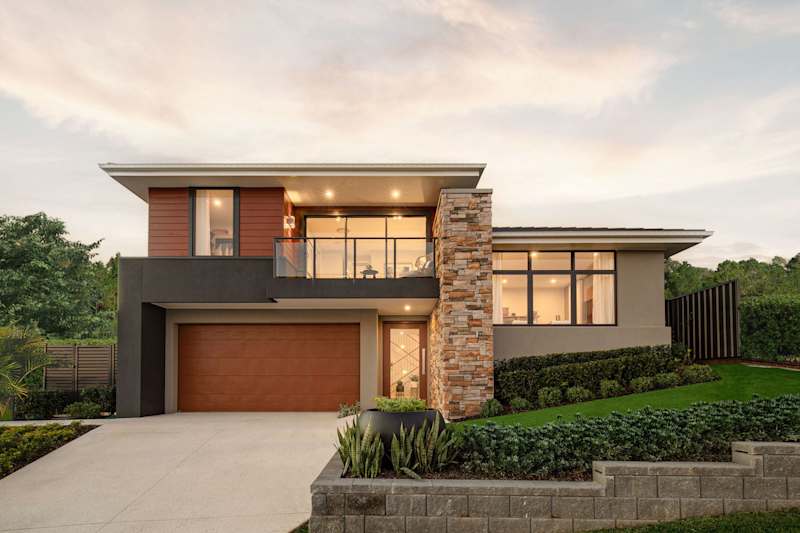

Keep up-to-date with all things new, including display home openings, brand new designs, home styling and much more.
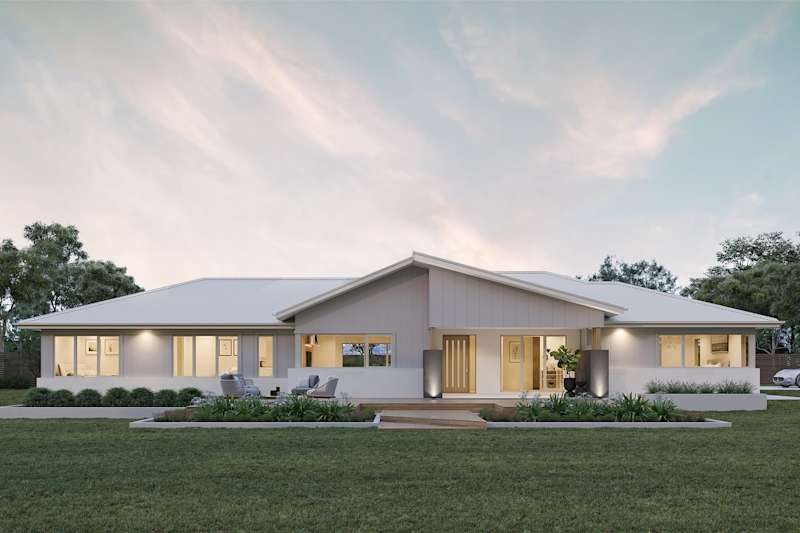
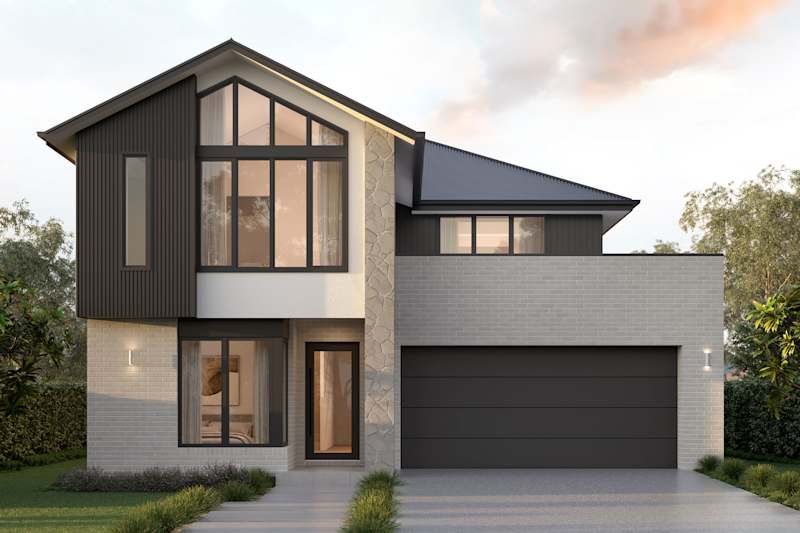
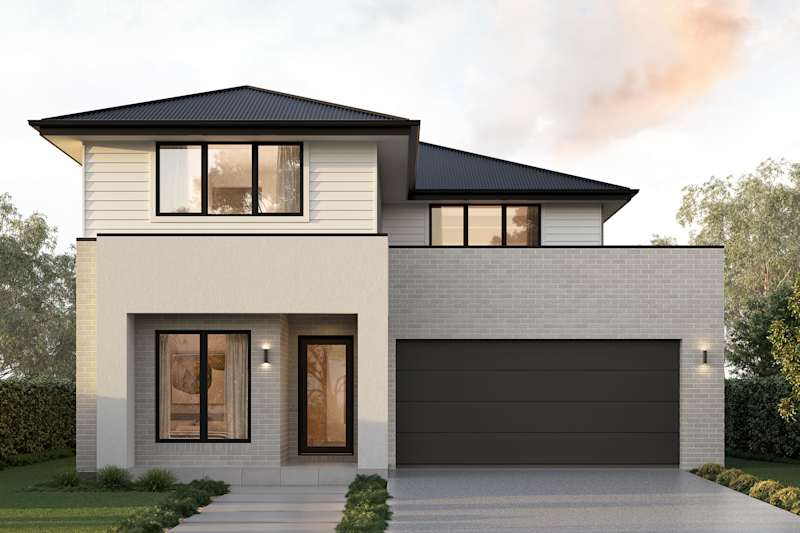
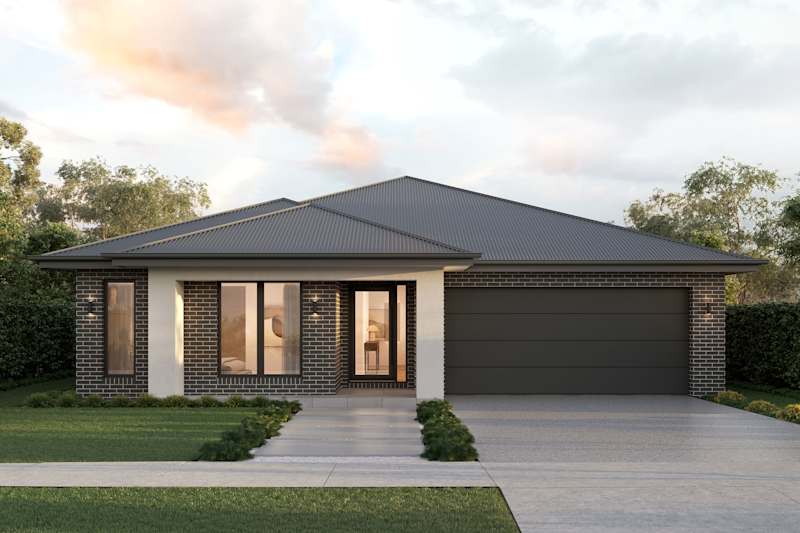
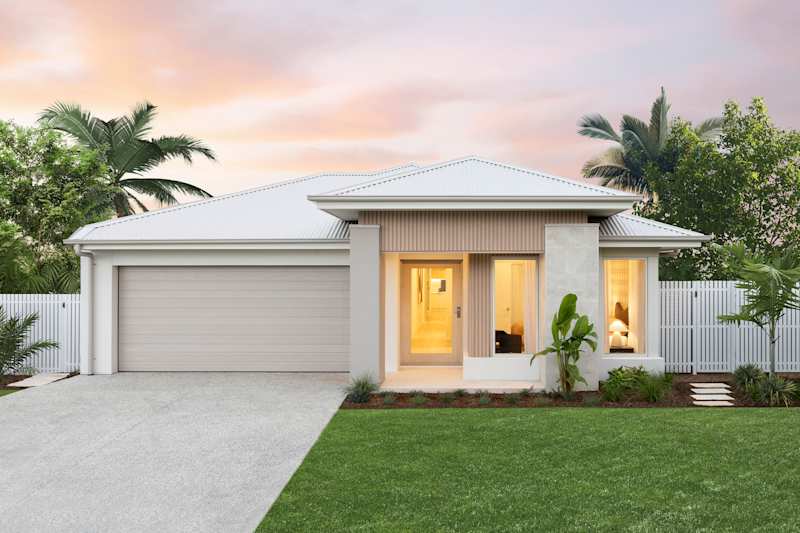
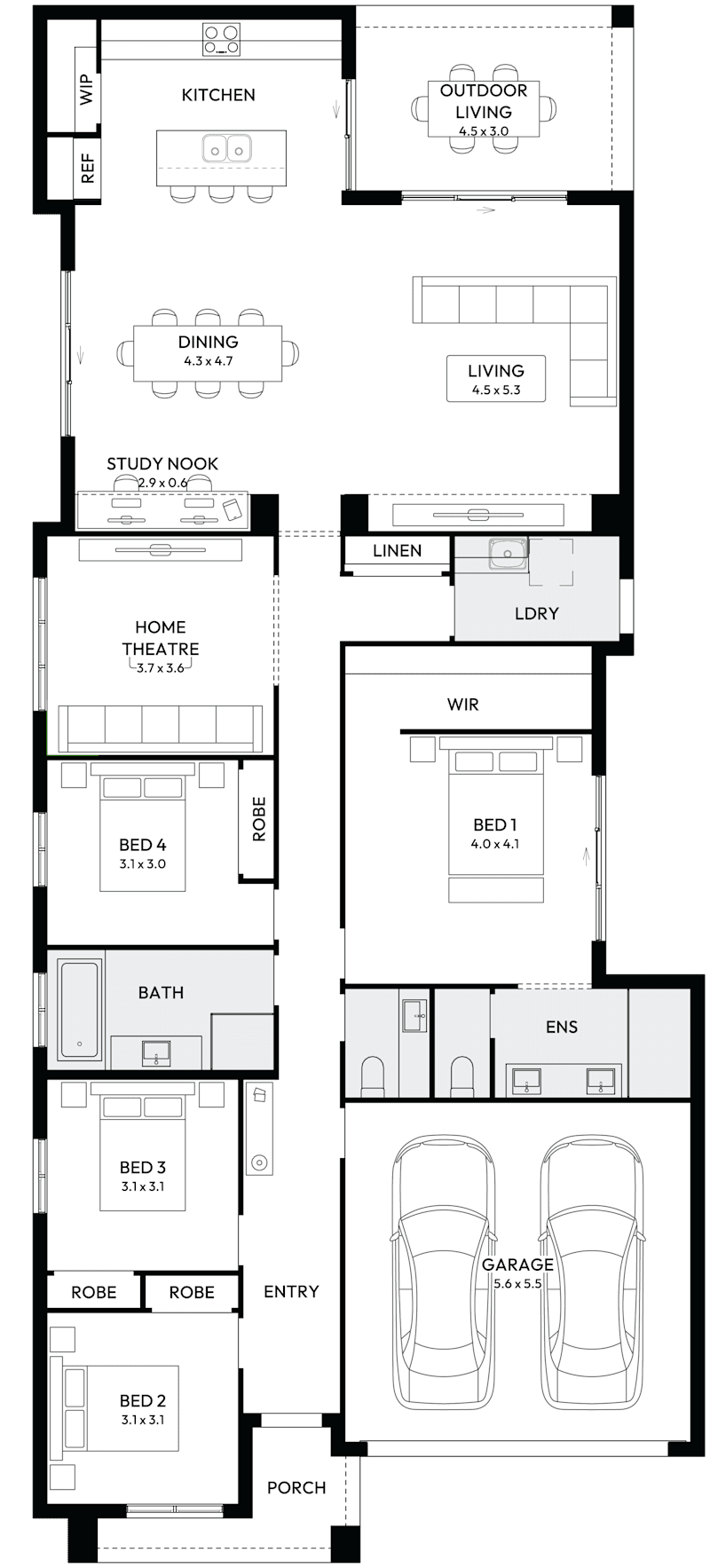
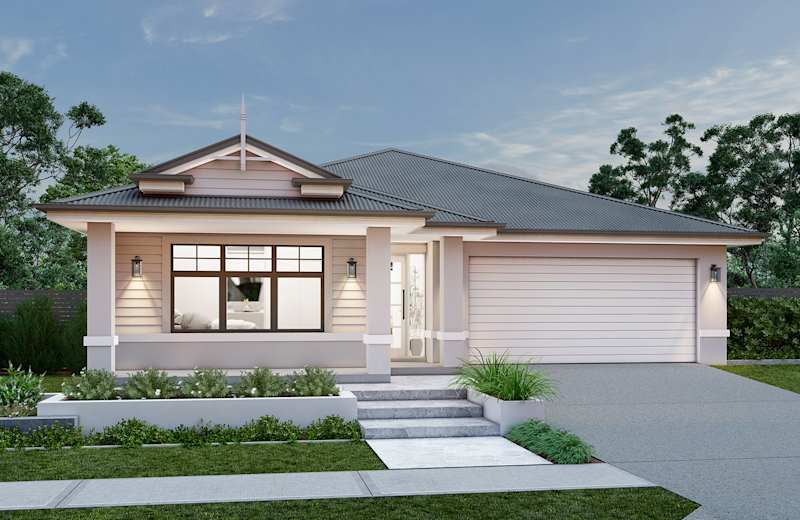
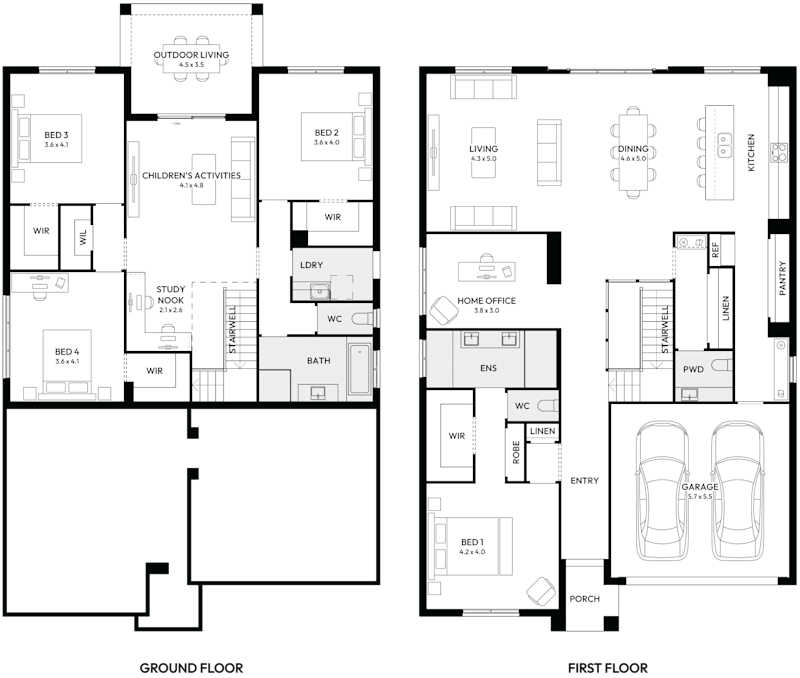
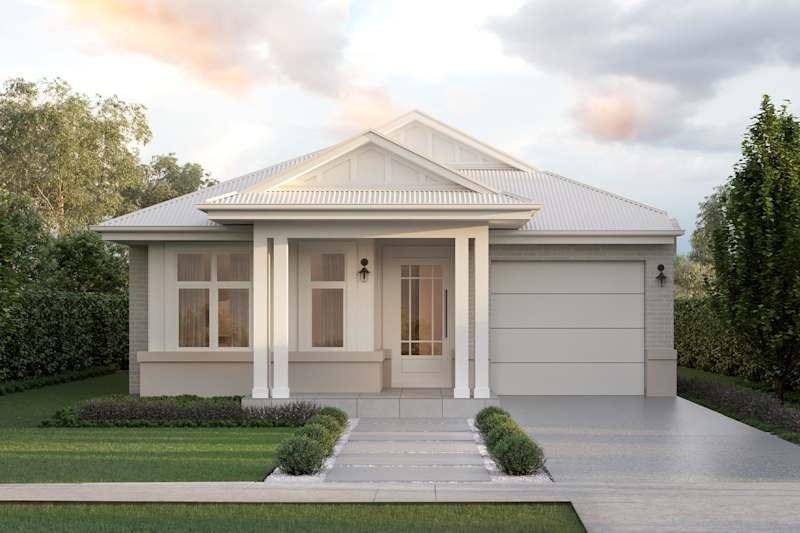
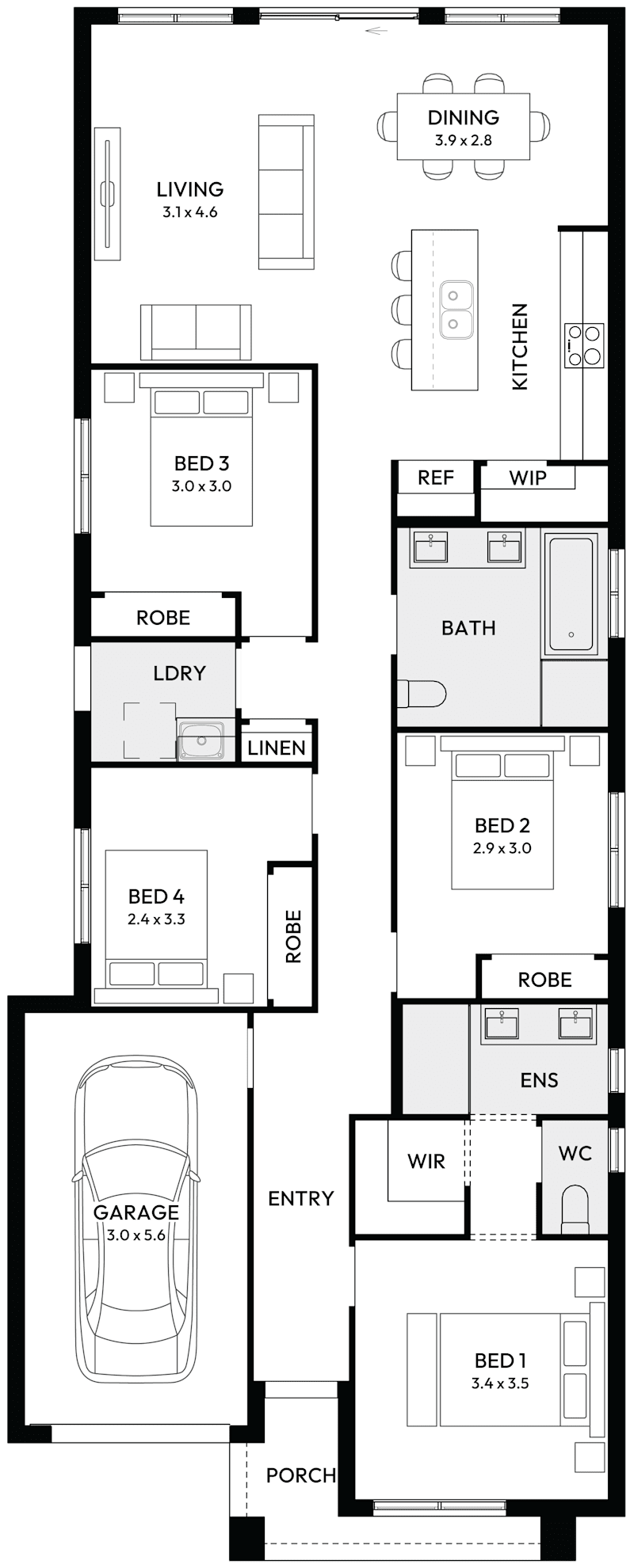
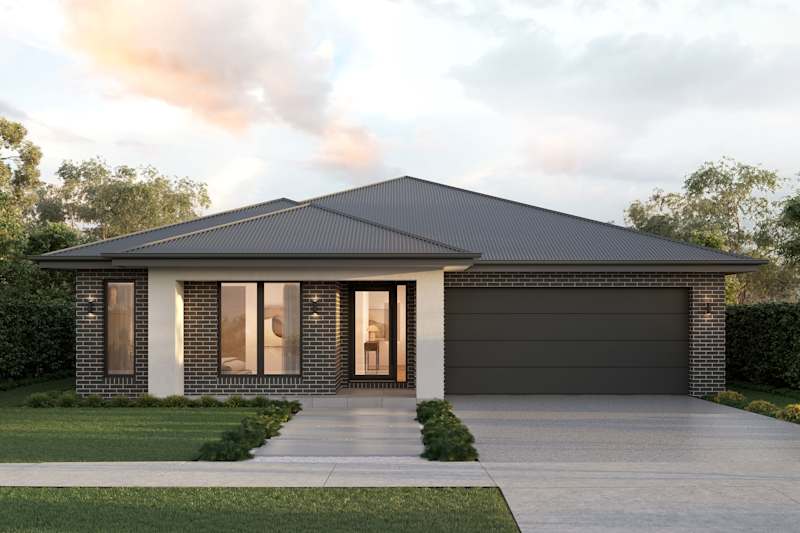
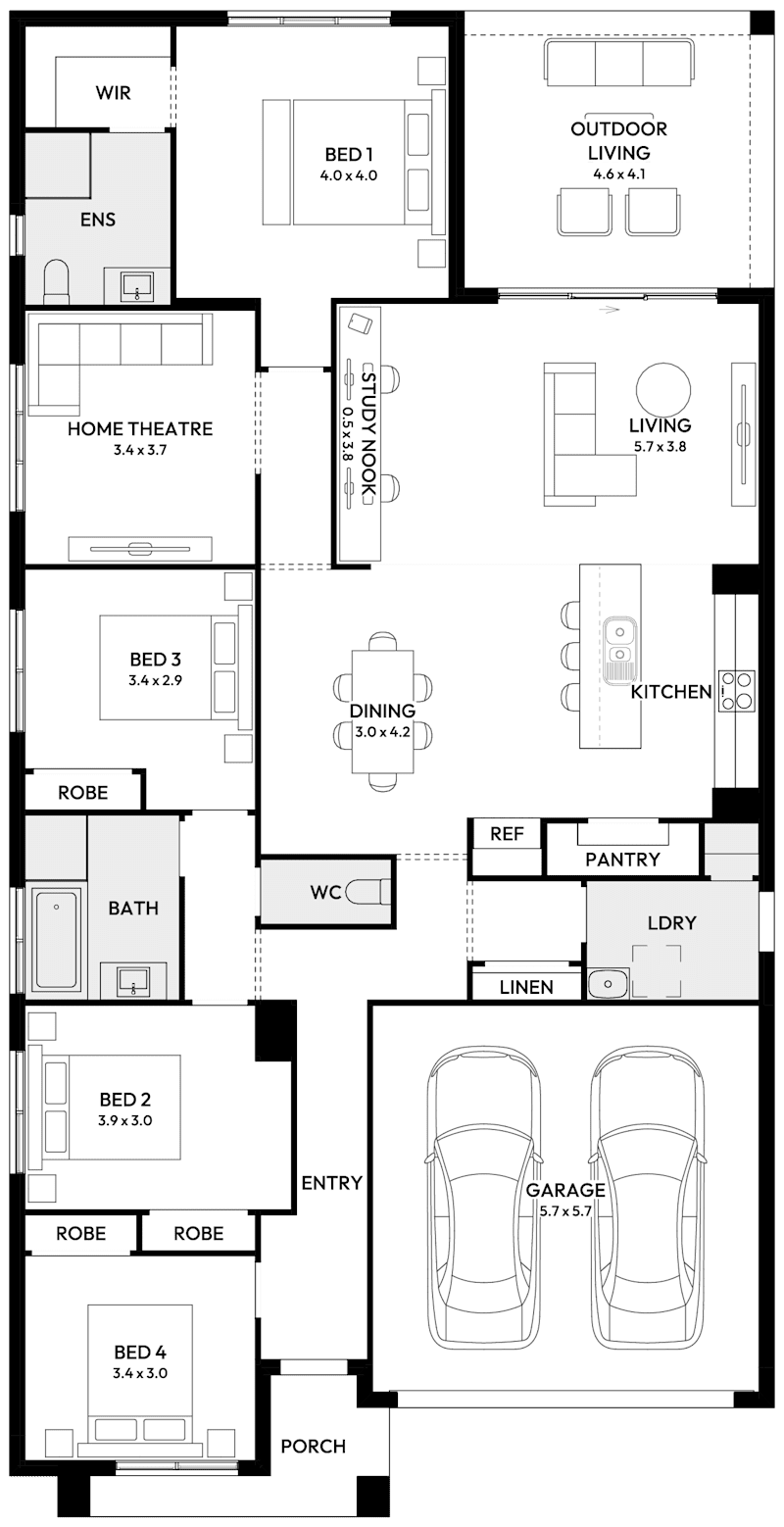
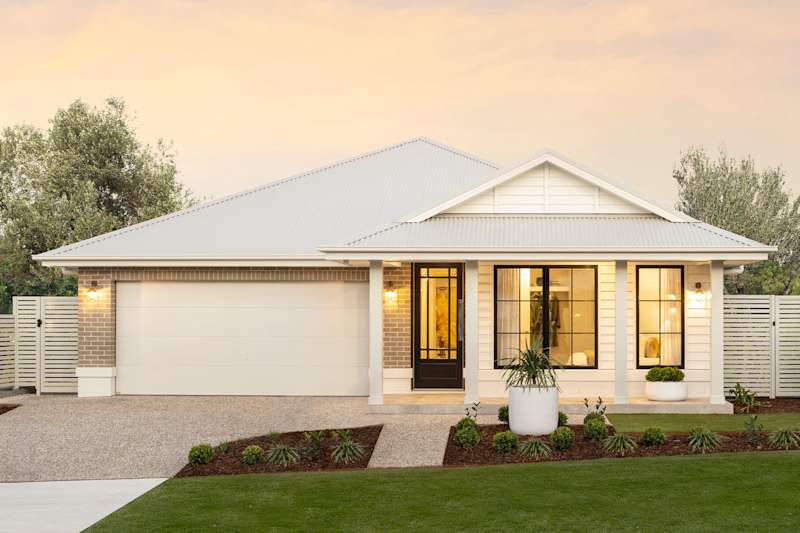
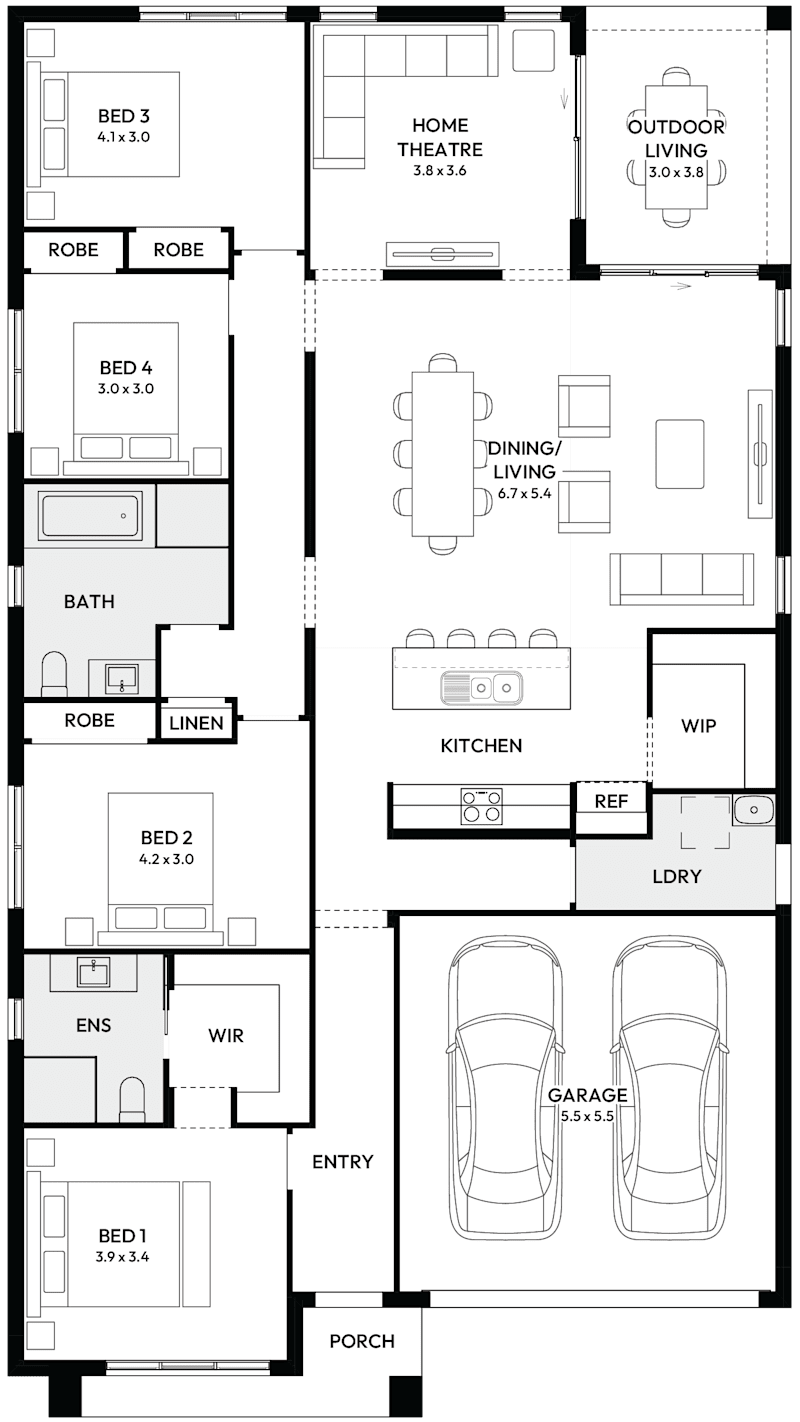
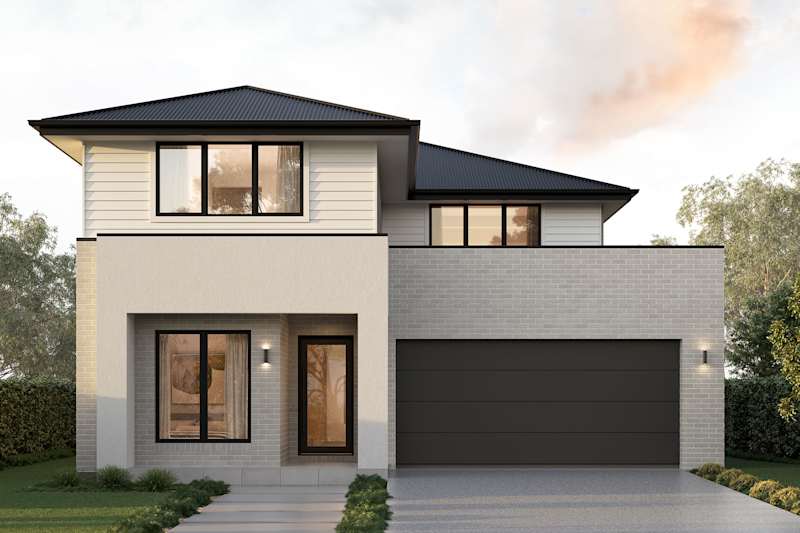
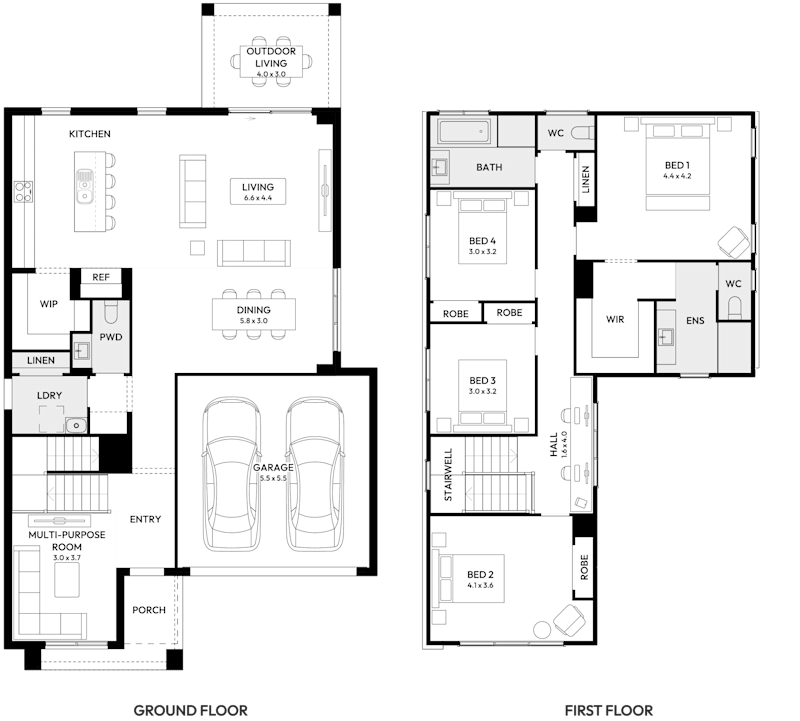
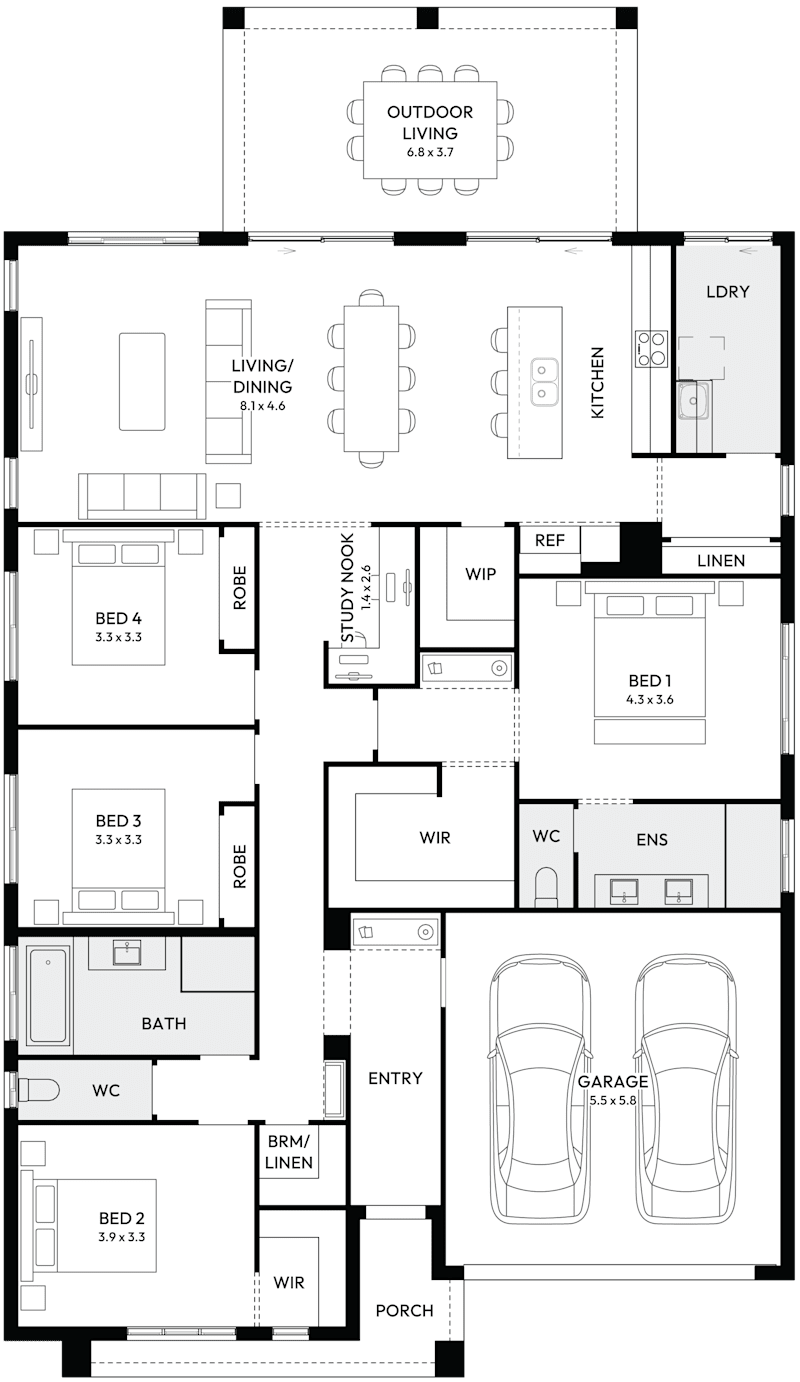
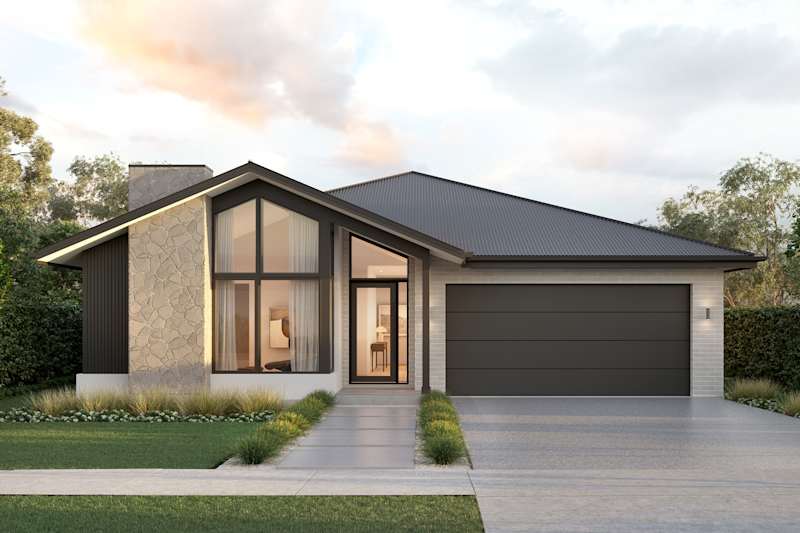
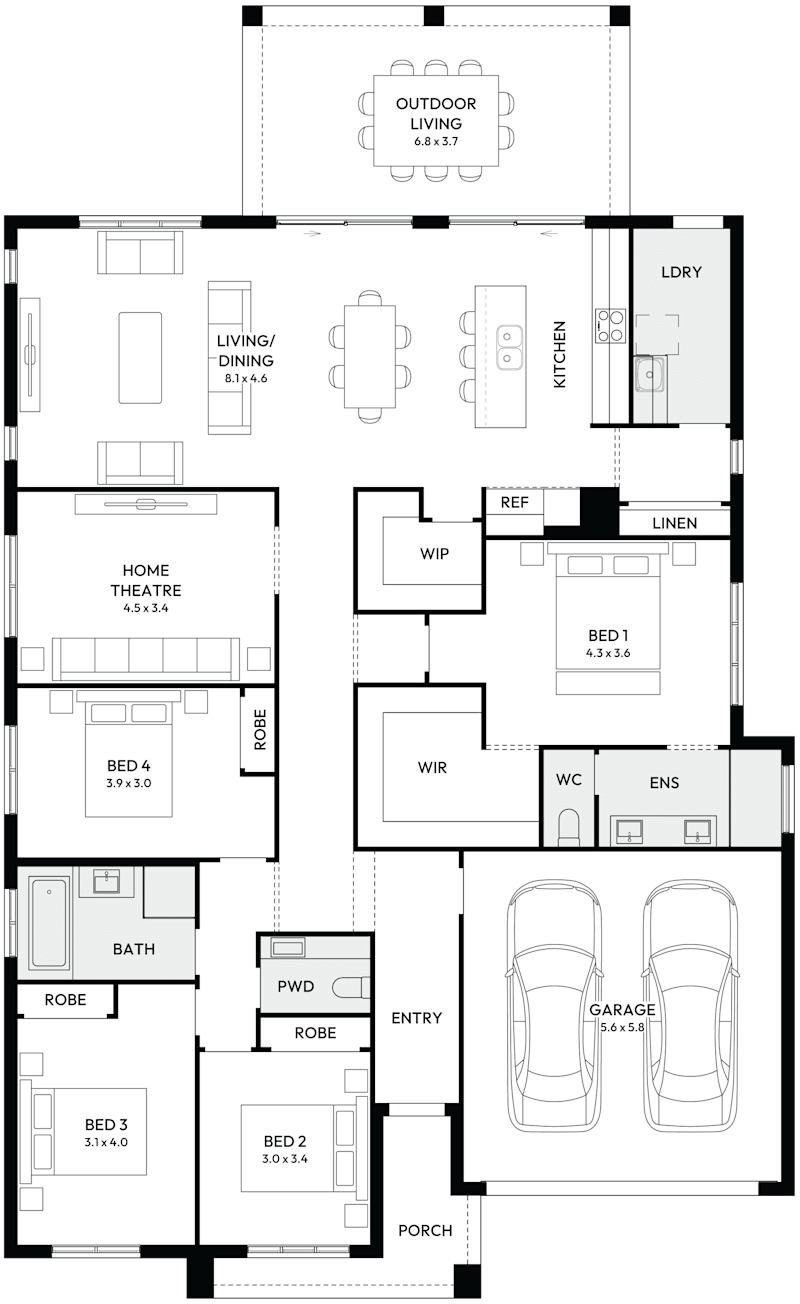
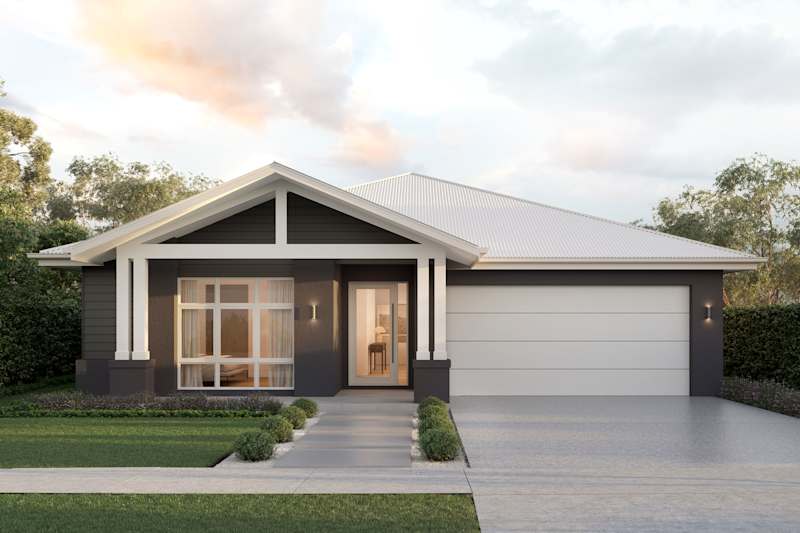
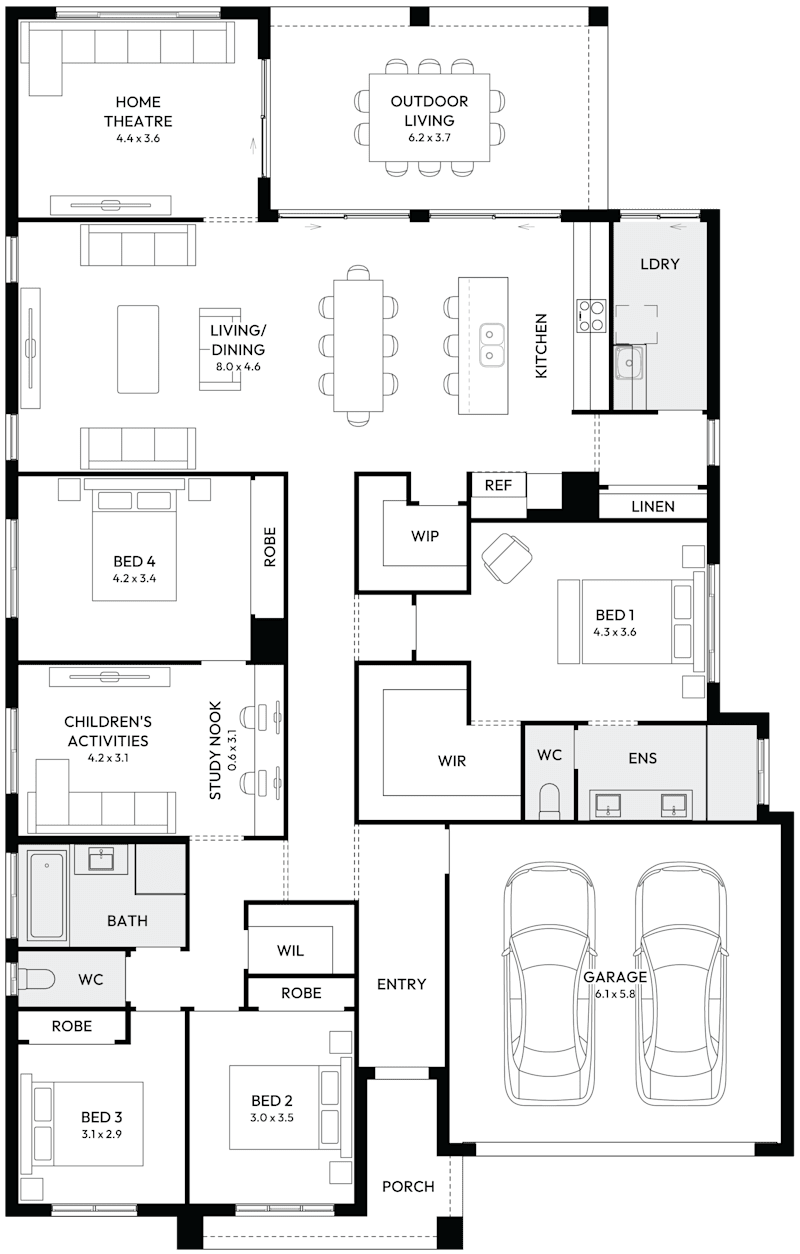
Find your perfect Mojo home by applying filters that match your unique design taste and lifestyle.
Log in to your MyMojo account and pick up where you left off.
With a MyMojo account, you can save and compare your favourite home designs, shortlist display homes you want to visit, and keep track of the house and land packages that catch your eye. You can also store your top blogs and inspiration images, floorplans, facades and promo options - all in one place.
A MyMojo account allows you to keep track of your favourite homes and house and land packages plus save your favourite images and articles to your own personal mood board to discover your style!
You can also save your chosen home design and your specific selections for later so you can discuss your options with your family and friends, make further changes if needed or compare with other designs. When you're ready talk to one of our friendly New Home Consultants to get your building journey started.
Please select your desired build region so we can personalise your content.